Sanctioned Building Plan and Deviations 2026
Published 21 Jul 2026 · Last updated 21 Jul 2026
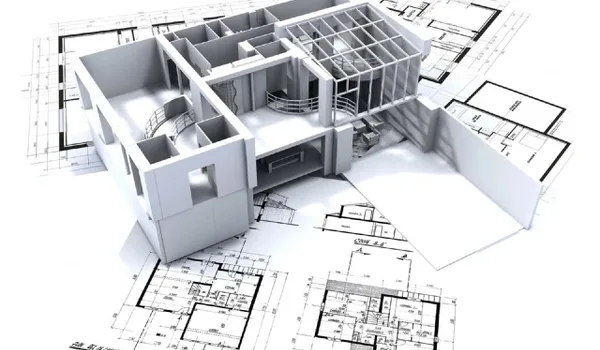
Before a single brick goes up, a builder has to get the plan approved by the local authority, and that approval fixes exactly what may be built: how many floors, how far from the boundary, how much of the plot may be covered. When what stands on the ground does not match that approved plan, you have a deviation, and deviations are one of the quieter ways a property can turn out to be a problem. If you are buying a home on Bannerghatta Road or anywhere in Bengaluru in 2026, this guide explains what a sanctioned building plan is, what deviations look like, why they matter, and how to check the plan against what has actually been built.
What a Sanctioned Building Plan Is
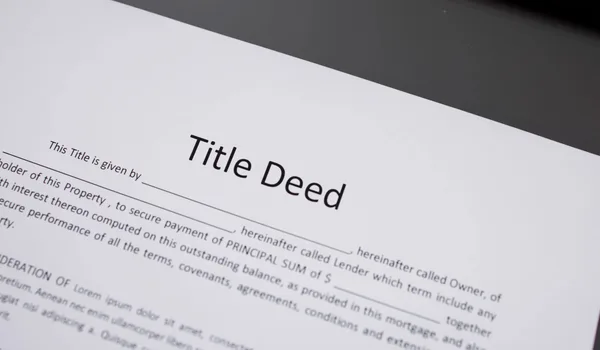
A sanctioned building plan is the plan the local planning authority approves before construction, whether that authority is the city corporation, the development authority, or a local panchayat depending on where the land falls. The sanction is permission to build a specific structure on a specific plot, and it sets the key limits: the number of floors and the height, the setbacks or open space to be left on each side, the ground coverage, and the floor area ratio, or FAR, that caps the total built area.
The plan sits on top of clean, converted land. Our guide on the conversion certificate and DC-converted land covers the land-use approval that must be in place before a plan can even be sanctioned.
What a Deviation Is
A deviation is any difference between the sanctioned plan and the building as actually constructed. Some are minor and internal, like moving a wall inside a flat. Others are substantial and touch the very limits the sanction was meant to control, and those are the ones that cause trouble. Deviations are often described as authorised where a revised plan was approved, and unauthorised where the change was simply built without fresh sanction.
Common Deviations and Why They Matter
The deviations that worry a buyer are the ones that break the plan's core limits:
| Deviation | What it looks like | Why it matters |
|---|---|---|
| Extra floor or units | More floors or flats than sanctioned | The excess is unauthorised and can face action |
| Reduced setbacks | Building closer to the boundary than allowed | Safety and access rules broken, hard to regularise |
| Excess coverage or FAR | More of the plot built on than permitted | Over-construction that may not be approved |
| Enclosed balconies or areas | Open areas closed in to add usable space | Adds built area beyond the sanctioned figure |
| Change of use | Commercial use in a residential sanction | Conflicts with the approved purpose |
| Unapproved structures | Extra sheds, floors or blocks added later | No sanction, so no clean approval trail |
Indicative examples. Whether a deviation is minor or serious depends on the local building rules and the specific case.
Why It Matters to You
A serious deviation is not a cosmetic issue. The authority may withhold the occupancy certificate for a building that does not match its sanction, and without an OC the property is harder to get a khata for, harder to finance and harder to resell. Our guide on the occupancy and completion certificate explains why that certificate is the payoff for building to plan. In the worst cases the unauthorised portion can be marked for removal, and lenders routinely decline funding where the deviation is significant.
How to Check the Plan Against What Is Built
Checking for deviations is a matter of putting the paper next to the building:
- Get the sanctioned plan: ask the builder or seller for a copy of the approved plan and the sanction.
- Count the floors: the number of floors and units built must match the sanction.
- Check the setbacks: the open space on each side should match the approved plan.
- Look for enclosed or added areas: balconies closed in, extra structures, or a changed use are red flags.
- Get it verified: have an architect, engineer or lawyer compare the plan with the site and flag anything off.
Some minor deviations within defined limits can be regularised, but the rules for this change over time and nothing about it is automatic. Treat a significant deviation as a serious issue and confirm the current position with a qualified professional before you commit.
The Plan and the Contract
The sanctioned plan is one of the approvals your purchase contract should stand behind. Our guide on the builder-buyer agreement covers the clauses that tie the builder to delivering what was approved, and the wider home-buying document checklist puts the sanctioned plan alongside the other papers to confirm.
The Sanctioned Plan at Birla Bannerghatta

Birla Bannerghatta is a 50-acre gated township by Birla Estates at Begur. A large project like this is built to a sanctioned plan approved by the relevant authority, and the towers, floors and layout should follow it. As a buyer you are entitled to see the approvals and to confirm that what is being built matches the sanction, so ask for the sanctioned plan and the approvals when you book, and keep them with your other project documents.
- Builder: Birla Estates (Aditya Birla Group)
- Location: Begur, Begur Hobli, Bannerghatta Road
- Configs: 1, 2, 3, 3.5 BHK + duplex/villa formats
- Starting price: ~₹75 L (indicative; base ~₹12,500 / sq ft)
- Status: Pre-launch · possession early 2031 · K-RERA expected Mar 2027
See the price list and the floor plans to fix the home you are buying, and keep the sanctioned plan on your list of approvals to confirm.
Frequently Asked Questions
1. What is a sanctioned building plan?
It is the building plan approved by the local authority that permits construction, fixing the floors, height, setbacks and coverage allowed on the plot.
2. What is a building plan deviation?
A deviation is any way the building as constructed differs from the sanctioned plan, such as an extra floor, reduced setbacks or excess coverage.
3. Why do plan deviations matter to a buyer?
Major deviations can stop the occupancy certificate, make a home loan harder and lower resale value, and the excess portion can face action.
4. How do I check for deviations?
Get the sanctioned plan and compare it with what is actually built, floors, setbacks and layout; have an architect or lawyer verify anything unclear.
5. Can a deviation be regularised?
Minor deviations within limits may sometimes be regularised, but this is not guaranteed; confirm the current rules with a professional before relying on it.
6. Are all deviations equally serious?
No, small internal changes matter less than extra floors or setback violations, which are the ones that put approvals and finance at risk.
Conclusion
The sanctioned plan is the promise a building is meant to keep, and a deviation is where that promise is broken. Minor internal changes rarely matter, but extra floors, reduced setbacks and excess coverage can hold up the occupancy certificate, block a loan and shrink your buyer pool when you sell. Ask for the sanctioned plan, compare it with what stands on the ground, and get a professional to check anything that does not add up before you pay. A building that matches its plan is one less risk you carry into ownership.
Buying on Bannerghatta Road? Review the price list and the floor plans for Birla Bannerghatta at Begur, and keep the sanctioned plan among the approvals you verify.
Birla Bannerghatta Blog