Khata vs Property Tax Paid Receipt 2026
Published 22 Jul 2026 · Last updated 22 Jul 2026
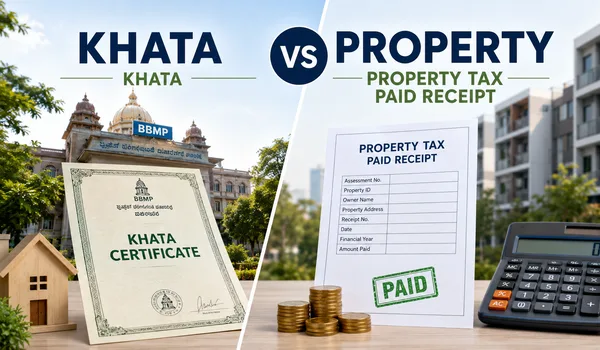
Two documents get handed across the table at almost every Bengaluru property deal, and buyers routinely mix them up: the khata and the property tax paid receipt. They sound related, they both come from the civic body, and both carry your name once things are in order. But they answer completely different questions, and treating one as a substitute for the other is how buyers end up exposed. If you are looking at a flat on Bannerghatta Road or anywhere in the city in 2026, this guide sets out what a khata proves, what a paid receipt proves, and why neither one is proof that you own the home.
What a Khata Is
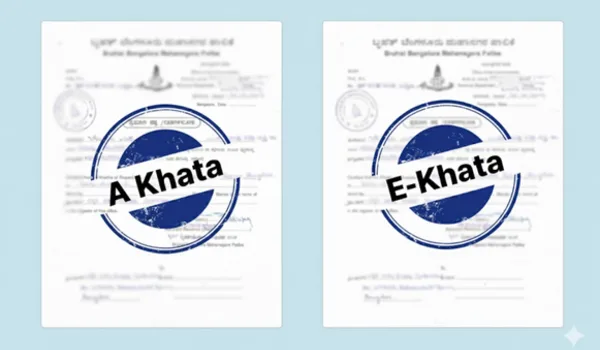
A khata is an account the municipal body keeps for a property. It records the property's details, area, location and the name of the person liable to pay tax on it, and it is the record against which property tax is assessed and collected. Having a khata in your name means the civic body recognises you as the person responsible for the property's tax and civic obligations. It is essential paperwork for paying tax, applying for a trade licence, or getting a loan against the property. What it is not is a certificate of ownership. Our khata guide explains the A-khata, B-khata and e-khata distinctions in full.
What a Property Tax Paid Receipt Is
A property tax paid receipt is exactly what its name says: proof that the property tax due for a particular year has been paid. It shows the amount, the year, the property identifier and the date of payment. It is the document you produce to show that dues are clear up to a given period, and it matters at a sale because unpaid tax stays attached to the property. But a receipt speaks only to payment, not to who owns or is liable for the property; a tenant or a relative could have paid the bill. For how the tax itself is worked out and paid, see our BBMP property tax guide.
Why Neither One Is a Title
This is the point that trips buyers up. A khata tells you who the civic body treats as liable for tax; a paid receipt tells you the tax is paid. Neither one tells you who legally owns the property. Ownership rests on the registered sale deed and the chain of title behind it, and a khata can even sit in the name of someone who has already sold the flat if the transfer was never done. So a seller who waves a khata and a stack of receipts has shown you that the tax account is in order, not that the title is clean. Always start from the title documents; our title deed and mother deed guide explains what actually proves ownership.
Khata vs Paid Receipt at a Glance
| Point | Khata | Property tax paid receipt |
|---|---|---|
| What it is | Civic account for the property | Proof of tax paid for a year |
| What it proves | Who is liable to pay tax | That dues are clear for that period |
| Proves ownership? | No | No |
| Issued for | The property, per owner on record | Each year the tax is paid |
| Needed to sell or mortgage | Yes, in the seller's name | Yes, latest year clear |
| Updated when | Ownership changes, via mutation | Every payment cycle |
Document names, formats and portal steps are set by the civic body and can change; confirm the current requirements on the BBMP portal before you rely on them.
Which You Need and When
You need both, at different moments. When you buy, you want the khata in the seller's name and the latest paid receipt showing no arrears, so you inherit a clean account. After you buy, you get the khata transferred into your own name so future tax and civic dealings sit with you. When you later sell or take a loan against the flat, the lender or buyer will ask for the khata in your name and recent paid receipts together, alongside the title documents. Think of the khata as the standing account and the receipt as the running proof that you have kept it current.
How to Get and Check Them: Step by Step
- Read the khata: check the name, area and usage on the current khata match the property and the person you are dealing with.
- Pull the latest receipt: confirm the most recent year's tax is paid and there are no arrears carried forward.
- Cross-check with the title: match the khata name against the registered owner on the sale deed, not the other way round.
- Transfer after purchase: once you buy, apply to have the khata mutated into your name so liability follows ownership.
- Keep paying and filing: pay each year on time and keep the receipts, so your account stays clean for the next transaction.
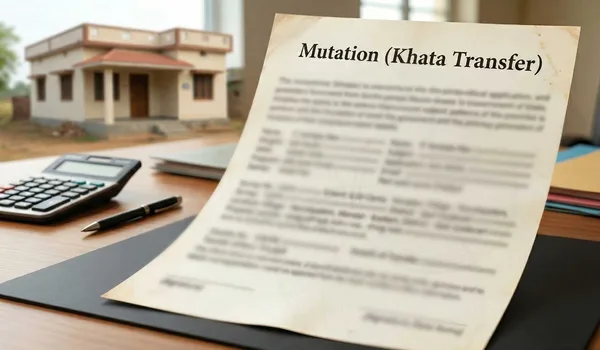
Getting the khata into your name after a purchase is a process in itself; our property mutation and khata transfer guide walks through the mutation step by step.
Khata and Tax at Birla Bannerghatta

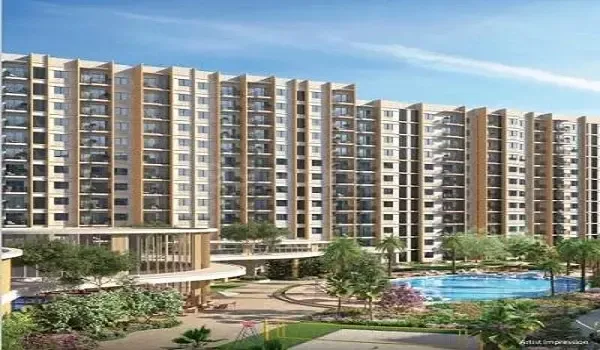
Birla Bannerghatta is a 50-acre gated township by Birla Estates at Begur. As a pre-launch project, individual khatas and tax accounts are set up for each unit once the towers are handed over and registration is complete. When you take possession, get the khata created or transferred into your name, pay the first year's tax on time and keep the receipt, and hold on to your registered sale deed as the document that actually proves ownership. That way the civic account, the tax record and the title all line up from your first year in the home.
- Builder: Birla Estates (Aditya Birla Group)
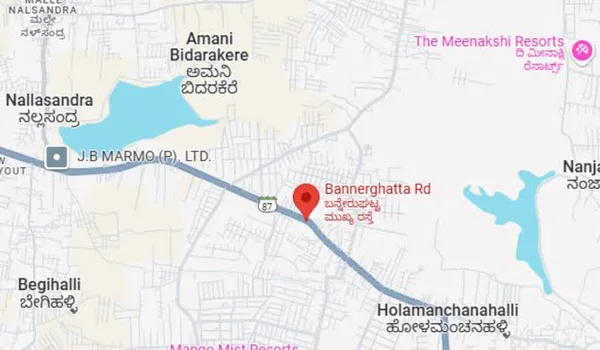
- Location: Begur, Begur Hobli, Bannerghatta Road
- Configs: 1, 2, 3, 3.5 BHK + duplex/villa formats
- Starting price: ~₹75 L (indicative; base ~₹12,500 / sq ft)
- Status: Pre-launch · possession early 2031 · K-RERA expected Mar 2027
See the price list and the floor plans to fix the home you are buying, then plan to keep the khata and tax record clean from day one.
Frequently Asked Questions
1. Is a khata proof of ownership?
No. A khata records who is liable to pay tax on a property; ownership rests on the registered sale deed and the title chain behind it.
2. What does a property tax paid receipt prove?
Only that the tax for that year has been paid. It shows dues are clear for the period, not who owns the property.
3. Do I need both a khata and paid receipts?
Usually yes. A khata in your name plus up-to-date paid receipts are asked for to sell, mortgage or transfer, alongside the title documents.
4. Can I pay property tax without a khata?
You can often pay against an existing application or PID number, but the tax record should be in your name; get the khata transferred after you buy.
5. Does a paid receipt fix a khata error?
No. A receipt only records payment; a wrong name, area or usage on the khata has to be corrected separately through the civic record.
6. Which should I check first when buying?
Check the title deed and chain first, then confirm the khata is in the seller's name and the latest tax receipt is clear before you pay.
Conclusion
A khata and a property tax paid receipt are both worth having and neither one is a substitute for the other, or for the title. The khata says who the civic body treats as liable, the receipt says the tax is paid, and only the registered sale deed says who owns the home. Read all three together: start from the title, confirm the khata is in the right name, and check the latest receipt is clear before you part with money. Buy on that basis, get the khata transferred once the deal is done, and keep paying tax on time, and your paperwork will hold up whenever you next sell or borrow.
Buying on Bannerghatta Road? Review the price list and the floor plans for Birla Bannerghatta at Begur, and line up the khata, tax and title from your first year of ownership.
Birla Bannerghatta Blog