GST on Under-Construction Property Explained 2026
Published 06 Jul 2026 · Last updated 06 Jul 2026
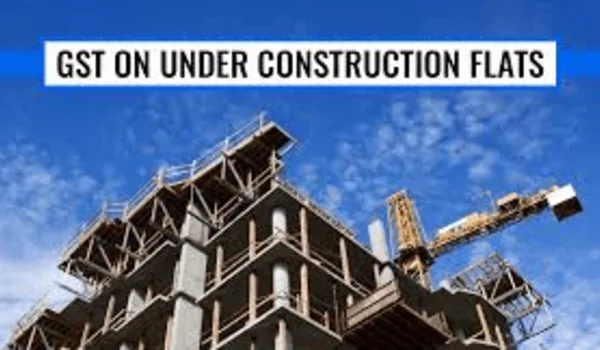
GST is one of the most misunderstood costs in a home purchase. The short version: you pay GST on an under-construction home, but not on a ready-to-move one that already has its completion certificate. If you are buying an apartment on Bannerghatta Road or elsewhere in Bengaluru in 2026, this guide explains the rates, what qualifies as affordable housing, and how GST sits alongside stamp duty so you can budget the full cost.
Tax rules can be revised, so treat the figures here as indicative and confirm the current position with a chartered accountant or tax advisor before you sign.
When GST Applies, and When It Does Not
GST is a tax on the supply of construction services. That is why it applies to a home still being built but not to one that is already finished:
- Under-construction home: GST applies on the amount you pay the builder towards construction.
- Ready-to-move home with a completion or occupancy certificate: no GST, because it is treated as the sale of a finished immovable property, not a construction service.
- Resale home: no GST; it is a sale between owners.
- Plot or land: no GST on the land itself.
This single distinction is why two similar flats can have a very different tax bill: the stage of construction at the time of sale decides whether GST is charged at all.
GST Rates on Residential Property in 2026
Since the 2019 revision, residential GST rates are charged without input tax credit (ITC). A standard one-third of the total is treated as land value and left out, so the effective rates on the whole consideration work out to:
| Category | Effective GST rate (indicative) | Input tax credit |
|---|---|---|
| Affordable housing (under construction) | 1% | Not available |
| Other residential (under construction) | 5% | Not available |
| Ready-to-move (with completion certificate) | No GST | Not applicable |
| Resale / land | No GST | Not applicable |
Rates indicative and subject to change by GST notifications; confirm the current rate and your project's category with a tax advisor.
What Counts as Affordable Housing
The lower 1% rate is reserved for homes that meet the affordable-housing definition on both size and value:
- Carpet area: up to 60 sq m (about 645 sq ft) in metro cities, or up to 90 sq m (about 968 sq ft) in non-metro areas.
- Value: up to about ₹45 lakh.
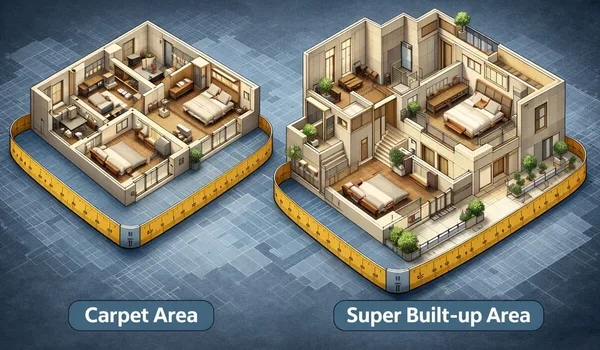
Bengaluru is treated as a metro for this purpose, so the tighter 60 sq m carpet-area limit applies. Most mid-segment and premium apartments exceed the ₹45 lakh cap, so they fall under the 5% rate rather than 1%. Because the rule is written on carpet area, it is worth knowing exactly how that differs from the super built-up figure in the brochure, which our carpet area vs super built-up guide breaks down.
How GST Is Calculated and Paid
GST is charged on the construction consideration and collected by the builder along with the instalments, then deposited with the government. A few points that catch buyers out:
- GST applies only to payments made before the completion certificate is issued. If you buy after completion, there is no GST at all.
- Charges such as preferential location, car parking and club membership that are bundled into the agreement are usually taxed at the same rate as the flat.
- GST is over and above stamp duty and registration; the two are not interchangeable.
GST vs Stamp Duty: They Are Different Costs
Buyers often merge the two in their heads, but they are separate charges paid to different authorities:
| Feature | GST | Stamp duty & registration |
|---|---|---|
| Charged on | Under-construction construction value | Property value at registration |
| Applies to ready homes | No | Yes |
| Paid to | Collected by builder, deposited with government | State (via sub-registrar) |
| When | With construction-linked instalments | At registration of the sale deed |
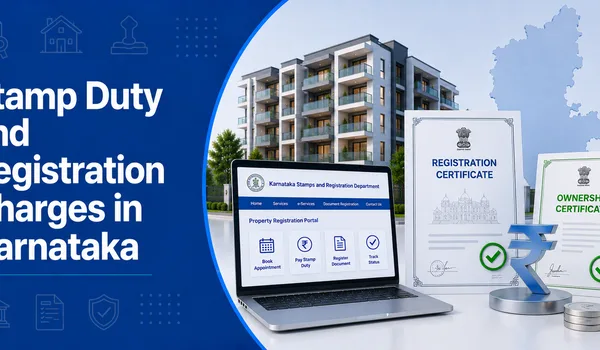
For the Karnataka slabs, the registration charge and how guidance value drives the calculation, see our stamp duty and registration guide. And since none of these are covered by your loan, plan them from your own funds alongside the down payment in the home loan guide.
GST on a Pre-launch Home at Birla Bannerghatta
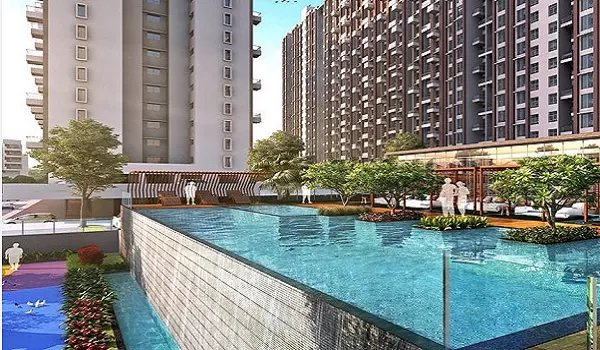
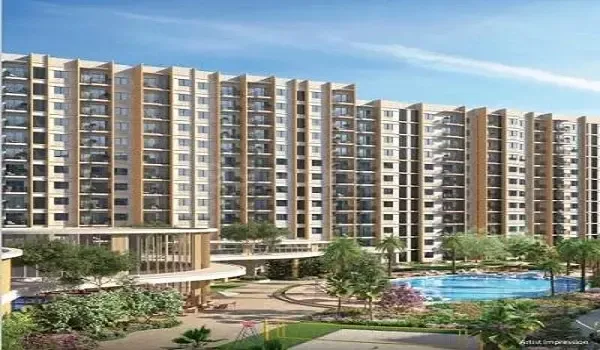
Birla Bannerghatta is a 50-acre gated township by Birla Estates at Begur. As a pre-launch, under-construction development, a purchase here would attract GST on the construction instalments (most units sit above the affordable-housing cap, so the 5% rate would typically apply), payable on top of stamp duty, registration and your down payment. Confirm the exact category and current rate with your tax advisor before you book.
- Builder: Birla Estates (Aditya Birla Group)
- Location: Begur, Begur Hobli, Bannerghatta Road
- Configs: 1, 2, 3, 3.5 BHK + duplex/villa formats
- Starting price: ~₹75 L (indicative; base ~₹12,500 / sq ft)
- Status: Pre-launch · possession early 2031 · K-RERA expected Mar 2027
See the price list and the floor plans to work out the total outgo including GST.
Frequently Asked Questions
1. Is GST payable on an under-construction flat in 2026?
Yes. Under-construction homes attract GST at 1% for affordable housing and 5% for other residential, both without input tax credit. Confirm the current rate with a tax advisor.
2. Is there GST on a ready-to-move flat?
No. A completed home sold with a completion or occupancy certificate has no GST, because it is treated as sale of an immovable property.
3. What counts as affordable housing for the 1% rate?
Broadly, carpet area up to 60 sq m in metros or 90 sq m in non-metros, and value up to about ₹45 lakh. Both conditions usually need to be met.
4. Is GST charged on the land or only the construction?
On the construction portion. A one-third deduction is allowed for land value, which is why the effective rates are 1% and 5%.
5. Do I pay GST on resale property?
No. Resale of a completed home does not attract GST, though stamp duty and registration still apply.
6. Is GST separate from stamp duty and registration?
Yes. GST is on under-construction construction value; stamp duty and registration are state charges paid at registration. They are different line items.
Conclusion
GST rewards you for buying at the right stage. On an under-construction home you pay 1% (affordable) or 5% (other residential) on the construction value, with no input tax credit; on a ready-to-move home that already has its completion certificate, and on resale, there is no GST at all. Whichever route you take, remember that GST, stamp duty and registration are three separate costs that your loan does not cover, so budget them from your own funds. When a rate or category is unclear, confirm it with a chartered accountant before you commit.
Weighing an under-construction or pre-launch home on Bannerghatta Road? Review the price list and the floor plans for Birla Bannerghatta at Begur, then add GST and registration to your budget.
Birla Bannerghatta Blog