Builder-Buyer Agreement: What to Check 2026
Published 21 Jul 2026 · Last updated 21 Jul 2026
When you book an under-construction home, the single most important document you sign is the builder-buyer agreement. It is the contract that decides what you get, what you pay, when you get it, and what happens if either side falls short. Many buyers sign it in the excitement of booking without reading it closely, and only discover the one-sided clauses when something goes wrong. If you are buying a home on Bannerghatta Road or anywhere in Bengaluru in 2026, this guide walks through what the builder-buyer agreement is and the clauses to check before you sign.
What the Builder-Buyer Agreement Is
The builder-buyer agreement, sometimes called the agreement for sale, is the contract between you and the developer for an under-construction property. It records the specific unit, the price, the payment schedule, the possession date, the specifications, and the obligations of both parties. In a RERA-regulated project the agreement for sale carries a defined set of protections and is meant to be registered, which strengthens your position considerably.
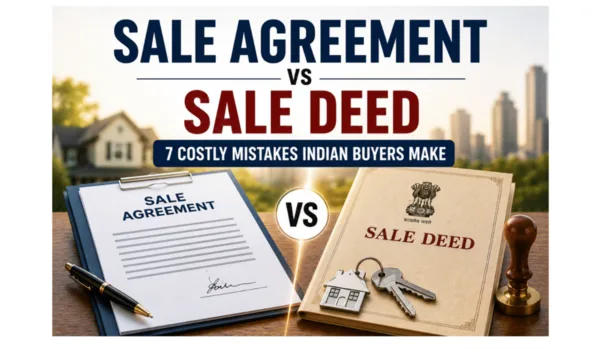
It is not the same as the sale deed. The agreement is the promise to sell and the terms of the deal; the sale deed, signed later, is what actually transfers ownership. Our guide on the sale agreement versus sale deed explains how the two fit together.
The Clauses That Matter Most
Read the whole agreement, but pay special attention to these:
| Clause | What to check | Why it matters |
|---|---|---|
| Unit and carpet area | Exact flat, tower and carpet area stated | Fixes what you are actually buying |
| Total price and extras | Base price plus car park, PLC, GST, deposits | Shows the true, all-in cost |
| Payment schedule | Linked to construction stages, not just dates | Protects you if work slows down |
| Possession and delay | Firm date, grace period, penalty for delay | Gives you a remedy if handover slips |
| Specifications | Fittings, finishes and amenities listed | Holds the builder to what was promised |
| Cancellation and default | Refund and forfeiture terms for both sides | Decides what you lose if the deal ends |
Indicative checklist. The exact clauses and their wording vary by project and agreement.
The Traps to Watch For
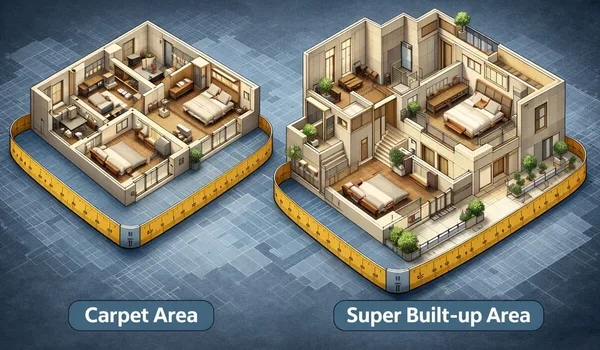
A standard builder draft is written to protect the builder, and the imbalance usually shows up in a few places. Watch for a heavy penalty on you for a late payment against a token or nil penalty on the builder for a late handover. Look for a price quoted on super built-up area rather than carpet area, which is why our carpet versus super built-up area guide is worth reading first. Check whether the builder can change the plan, the area or the charges unilaterally, whether extra charges are open-ended, and how disputes are to be resolved. The possession clause is where the most valuable protection sits, so make sure it is a real date with a real consequence.
Before You Sign
Do not sign the agreement on the spot. Ask for a copy to take away, read every clause, and have a property lawyer review it, because many terms can be negotiated even on a builder's standard format. Confirm the approvals sit behind the contract, that the project land is converted and the plan sanctioned, as our guides on the conversion certificate and the sanctioned building plan set out, and keep the whole exercise within your wider home-buying document checklist.
The Agreement at Birla Bannerghatta

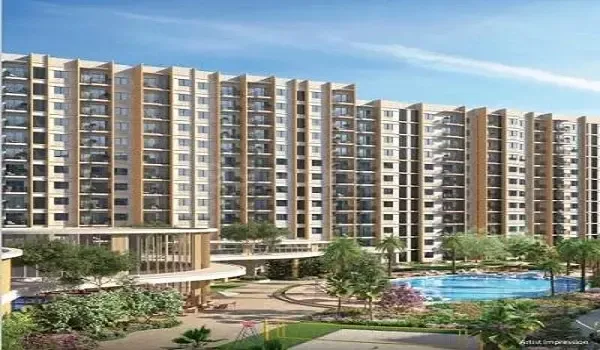
Birla Bannerghatta is a 50-acre gated township by Birla Estates at Begur. As a pre-launch project it will follow the RERA agreement-for-sale route once registered, so when you book, ask for the draft agreement, read the price, carpet area, payment schedule and possession clauses closely, and take it to your lawyer before signing. A well-drafted, registered agreement is one of the strongest protections a buyer has.
- Builder: Birla Estates (Aditya Birla Group)
- Location: Begur, Begur Hobli, Bannerghatta Road
- Configs: 1, 2, 3, 3.5 BHK + duplex/villa formats
- Starting price: ~₹75 L (indicative; base ~₹12,500 / sq ft)
- Status: Pre-launch · possession early 2031 · K-RERA expected Mar 2027
See the price list and the floor plans to fix the home you are buying, then read the agreement clause by clause before you commit.
Frequently Asked Questions
1. What is a builder-buyer agreement?
It is the contract between you and the developer that sets out the unit, price, payment schedule, possession date and the obligations of both sides.
2. What are the most important clauses to check?
The carpet area, the total price with all extras, the payment schedule, the possession date with delay penalty, and the cancellation terms.
3. Should the possession date be a firm date?
Yes, insist on a clear possession date with any grace period and a penalty if the builder delays, not a vague or open-ended commitment.
4. Should the agreement mention carpet area?
Yes, the price and area should be stated on carpet area, so you know exactly what usable space you are paying for.
5. Is the agreement registered?
For a RERA-regulated project the agreement for sale is meant to be registered; confirm the registration requirement for your project with a lawyer.
6. Should a lawyer review the agreement?
Yes, have a property lawyer read the full agreement before you sign, as many clauses are one-sided and can be negotiated.
Conclusion
The builder-buyer agreement is where your purchase is really decided, long before you get the keys. Read it in full, and give the carpet area, the all-in price, the payment schedule, the possession date and the delay penalty the attention they deserve, because these are the clauses that protect your money and your timeline. Watch for terms that bind you tightly while leaving the builder free, insist on a firm possession date with a real consequence, and take the draft to a property lawyer before you sign. A few hours of careful reading now is the cheapest insurance you will ever buy on a home.
Buying on Bannerghatta Road? Review the price list and the floor plans for Birla Bannerghatta at Begur, and read the agreement clause by clause before you commit.
Birla Bannerghatta Blog