Rent vs Buy in Bangalore 2026
Published 18 Jul 2026 · Last updated 18 Jul 2026

Rent or buy is the question every Bengaluru household turns over sooner or later, usually when the lease is up for renewal or a promotion lands. There is no universal answer, only the right answer for your horizon, your finances and your stage of life. Rent lightly and stay mobile, or commit and start building an asset? Both are legitimate; the mistake is choosing on emotion alone. If you are weighing an apartment on Bannerghatta Road or anywhere in Bengaluru in 2026, this guide lays out the real cost of each side, a fair comparison, and how to tell which one fits you.
The Real Cost of Renting
Renting looks simple and, month to month, it is usually cheaper than buying the same home. You pay a deposit and a monthly rent, and little else. But the full picture has more to it:
- Rent rises: most agreements build in an annual increase, so the cost creeps up each year you stay.
- Deposit locked: a sizeable deposit sits idle for the length of the tenancy.
- No asset: the rent buys shelter and flexibility, not equity; when you leave you own nothing.
- Less control: the landlord can decline changes, sell the home, or ask you to move.
Against that, renting keeps you light: you can relocate for a job, upgrade or downsize easily, and you carry none of the repair or tax burden of ownership.
The Real Cost of Buying
Buying costs more upfront and more each month, but the money is not going nowhere; it is building ownership. The costs to plan for:
- Upfront: the down payment, plus stamp duty and registration, and GST if the home is under construction.
- Monthly: the EMI, which is usually higher than the rent for the same flat, plus maintenance charges.
- Ongoing: property tax, repairs and the cost of interiors over time.
In return, each EMI chips away at the loan and builds equity, the home may appreciate over the years, and you gain stability and the freedom to make the place your own. Our down payment guide and stamp duty guide break down the upfront numbers, and the home loan guide covers the EMI.
Why the EMI Beats the Rent, and Why That Is Not the Whole Story
For the same flat, the EMI to buy is typically well above the rent, because rent reflects only the use of the home while the EMI repays the entire price with interest. In Bangalore, gross rental yields are modest, which is exactly why renting is cheaper monthly. But the gap is not wasted on either side: rent buys flexibility now, the EMI buys ownership over time. The comparison only makes sense once you add the equity you build and any appreciation to the buying side, and the flexibility and lower monthly outgo to the renting side.
Rent vs Buy at a Glance
| Factor | Renting | Buying |
|---|---|---|
| Upfront cost | Deposit only | Down payment + stamp duty + registration |
| Monthly cost | Rent, usually lower | EMI + maintenance, usually higher |
| Flexibility | High, easy to move | Lower, tied to the home |
| Wealth | No asset built | Builds equity, may appreciate |
| Repairs & tax | Landlord bears most | Owner bears them |
| Best for | Short or uncertain stay | Long, settled stay |
A general comparison; your own numbers depend on the specific home, rent, loan and how long you stay.
When Renting Makes Sense
- Your horizon is short, roughly the next few years, or your job or city is uncertain.
- You value the freedom to move, upgrade or downsize at short notice.
- You are still building the down payment and buying now would strain the EMI.
- You want to keep your capital liquid for other goals or a business.
When Buying Makes Sense
- You expect to stay put for several years, so the one-time costs are spread thin.
- Your income and job are stable and the EMI sits comfortably within your budget.
- You are ready with the down payment and upfront costs without draining your emergency fund.
- You want the stability of your own home and to build equity rather than pay rent.
The single biggest factor is time: the longer you will stay, the more the buying case strengthens, because the costs of buying are earned back over more years. For the corridor view, our rental yield and ROI guide looks at what apartments here tend to rent and return.
If You Decide to Buy: Birla Bannerghatta

Birla Bannerghatta is a 50-acre gated township by Birla Estates at Begur, on a corridor with schools, hospitals, the southern job belt and a metro line in the works. As a pre-launch, the payment is staggered against construction, which can suit a buyer moving from rent to ownership over time rather than all at once. If your horizon is long and the EMI fits, an apartment here is the kind of settled, well-connected home the buying case is built for. Verify the RERA position and documents before you book.
- Builder: Birla Estates (Aditya Birla Group)
- Location: Begur, Begur Hobli, Bannerghatta Road
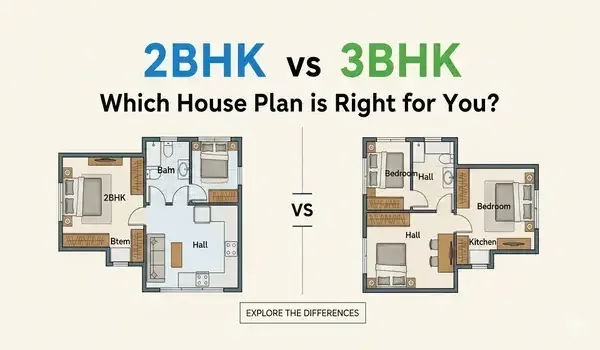
- Configs: 1, 2, 3, 3.5 BHK + duplex/villa formats
- Starting price: ~₹75 L (indicative; base ~₹12,500 / sq ft)
- Status: Pre-launch · possession early 2031 · K-RERA expected Mar 2027
See the price list and the floor plans to test the numbers against your rent, then decide with a clear head.
Frequently Asked Questions
1. Is it better to rent or buy a home in Bangalore?
Neither is always better; it depends on how long you will stay, your finances and your life stage. Renting costs less each month and keeps you flexible but builds no asset. Buying costs more upfront and monthly, yet builds equity and can appreciate. As a rough rule, the longer you expect to stay, the more buying tends to pay off.
2. Why is the EMI often higher than the rent for the same flat?
Because rent reflects only the use of the home, while an EMI repays the whole price plus interest. In Bangalore gross rental yields are modest, so the rent on a flat is usually well below the EMI to buy it. Neither side is wasted: rent buys flexibility, the EMI builds ownership and equity over time.
3. How long should I plan to stay before buying makes sense?
There is no fixed number, but the case strengthens the longer your horizon, often once you expect several years rather than one or two. Buying carries one-time costs like stamp duty, registration and GST on an under-construction home, which take time to earn back. If your plans are uncertain, renting is usually safer.
4. What are the hidden costs of buying that renters avoid?
Beyond the down payment and EMI, an owner pays stamp duty and registration upfront, GST on an under-construction home, maintenance charges, property tax, and repairs and interiors. A renter avoids most of these and can move more easily. Compare the full ownership cost, not just the EMI.
5. Does buying always build wealth?
Not automatically. Ownership builds equity as you repay the loan, and the home may appreciate, but appreciation is never guaranteed and depends on location, timing and the market. Buying in a well-connected, growing area with a clear title improves the odds. Treat a home first as a place to live and a long-term asset.
6. Should I keep renting while I save for a home?
Often yes. Renting while you build the down payment and upfront costs is sound, especially if buying now would stretch the EMI. Keep the home savings separate, protect your emergency fund, and buy when the numbers are comfortable rather than rushing. The right time is when your horizon is long and the EMI fits your income.
Conclusion
Rent versus buy is really a question about time and stability, not just money. Renting is lighter, cheaper monthly and flexible, which suits a short or uncertain horizon and anyone still building the down payment. Buying costs more upfront and each month, but it builds equity, offers stability, and can appreciate, which rewards a long, settled stay. Add up the full cost of each, be honest about how long you will stay and whether the EMI fits, and let that decide, not the fear of missing out. When the horizon is long and the numbers are comfortable, buying tends to win; when they are not, there is no shame in renting a while longer.
Leaning toward buying on Bannerghatta Road? Test the numbers with the price list and floor plans for Birla Bannerghatta at Begur, and read the CIBIL and eligibility guide before you apply.
Birla Bannerghatta Blog