RTGS/NEFT vs Cheque: How to Pay for a Property 2026
Published 17 Jul 2026 · Last updated 17 Jul 2026
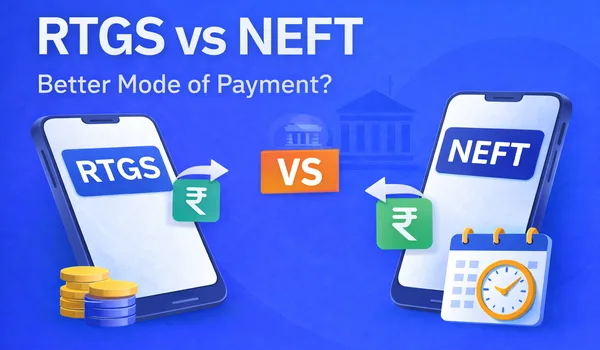
A home is likely the largest payment you will ever make, and how you move that money matters almost as much as the amount. The right channel gives you a clean record that ties every rupee to the sale; the wrong one, cash, can undo the deal and land you a penalty. If you are buying an apartment on Bannerghatta Road or anywhere in Bengaluru in 2026, this guide compares RTGS, NEFT, IMPS, cheque and demand draft, explains why cash is a red flag, and sets out how to pay safely.
The Ways to Pay for a Property
Property payments happen in stages: a token or advance, the down payment or margin, the loan disbursement, and the balance at registration. Each of these should move through the banking system. The common channels are electronic transfers (RTGS, NEFT, IMPS) and paper instruments (cheque, demand draft). What they share is a record; what separates them is speed, value limits and assurance.
RTGS, NEFT and IMPS: Electronic Transfers
Electronic transfers are the backbone of a modern property payment because the money and the record move together.
- RTGS: built for high-value transfers, usually two lakh rupees and above, and settled individually in real time. This is the usual choice for the big lump sums in a property deal.
- NEFT: no minimum amount, settled in batches through the day. Useful for smaller or scheduled payments where instant settlement is not essential.
- IMPS: instant and available around the clock, with a per-transaction cap. Handy for a token amount or a quick top-up rather than the main payment.
Limits, charges and cut-off times vary by bank and change from time to time, so confirm the current position with your bank before you schedule a large transfer. For the down payment you fund yourself, our home loan guide explains how the margin and the loan fit together.
Cheque and Demand Draft
Paper instruments are still widely accepted, especially for the final payment.
- Cheque: simple and traceable, but it depends on funds being in the account when it is presented, and it takes a few days to clear. Keep the counterfoil.
- Demand draft: prepaid and assured, so it cannot bounce. Sellers often prefer a DD for the balance at registration because the money is guaranteed. There is a small charge to make one.
Both leave a clear record, so the choice between them is about assurance and timing rather than safety.
Payment Channels at a Glance
| Channel | Best for | Settlement | Notes |
|---|---|---|---|
| RTGS | Large single payments | Real time, high value | Common for property; check cut-off times |
| NEFT | Any amount | Settled in batches | No minimum; slight delay |
| IMPS | Token / smaller transfers | Instant, 24x7 | Per-transaction cap applies |
| Cheque | Traditional payment | Clears in a few days | Keep the counterfoil; ensure funds |
| Demand draft | Assured final payment | Prepaid, assured | Cannot bounce; small charge |
| Cash | Not advisable | Not applicable | Disallowed at or above the legal limit |
Limits and charges for each channel are set by banks and the RBI and can change; confirm the current rules with your bank before a large transfer.
Why You Should Never Pay in Cash
Cash is the one channel to avoid in a property deal. Income tax law disallows cash of twenty thousand rupees or more in a property transaction, and separately caps a cash receipt at two lakh rupees, with a penalty on the person who accepts it. Beyond the legal exposure, cash leaves no trail, which creates real problems:
- You cannot prove you paid, which weakens your position in any dispute.
- The payment does not tie cleanly to the sale deed or your bank record.
- It complicates your tax position and the deduction of TDS on the purchase.
- A seller pushing for cash is a warning sign about the deal itself.
TDS on a property purchase is its own step; our TDS guide covers when you deduct and how you deposit it. Treat the cash limits as indicative and confirm the current figures with a chartered accountant.
How to Pay Safely
- Use banking channels only: pay the token, the margin and the balance by RTGS, NEFT, cheque or DD, never cash.
- Match the payee to the record: pay the seller named in the documents, or the builder's designated account, not a third party.
- Follow the agreement: release each payment against the milestones in the sale agreement, not ahead of them.
- Keep every receipt: transaction advices, counterfoils, bank statements and the seller's acknowledgement, filed with the deed.
- Let the bank disburse the loan: the lender pays its part directly to the seller, so keep the disbursement advice with your own records.
Paying correctly is part of wider due diligence; our home buying checklist lists the documents to line up alongside your payments.
Paying for a Pre-launch Home at Birla Bannerghatta

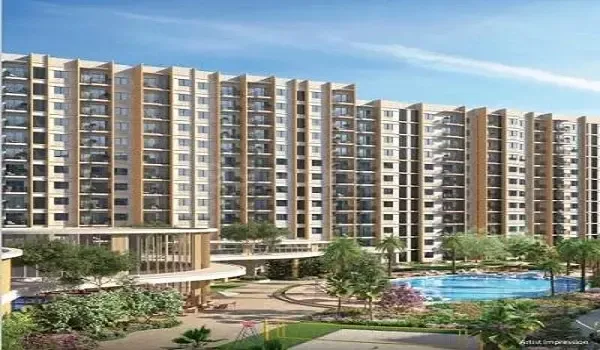
Birla Bannerghatta is a 50-acre gated township by Birla Estates at Begur. On a pre-launch purchase, payments are tied to construction milestones in the builder's agreement, so you typically pay the booking amount and the margin through a banking channel and the lender disburses the loan in tranches against those milestones. Pay only into the developer's designated account, follow the schedule in the agreement, and keep each transaction advice.
- Builder: Birla Estates (Aditya Birla Group)
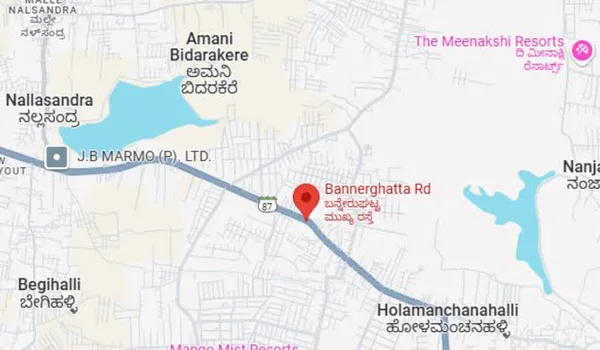
- Location: Begur, Begur Hobli, Bannerghatta Road
- Configs: 1, 2, 3, 3.5 BHK + duplex/villa formats
- Starting price: ~₹75 L (indicative; base ~₹12,500 / sq ft)
- Status: Pre-launch · possession early 2031 · K-RERA expected Mar 2027
See the price list and the floor plans before you book so your payment schedule matches the unit you want.
Frequently Asked Questions
1. Should I pay for a property by RTGS, NEFT or cheque?
All three are valid. RTGS is the usual choice for large single payments because it settles high value in real time; NEFT works for any amount in batches; cheque and demand draft are still accepted with a short clearing wait. The key is a clear record in the bank.
2. What is the difference between RTGS and NEFT?
RTGS is for high-value transfers, typically two lakh rupees and above, settled individually in real time. NEFT has no minimum and settles in batches. For the large sums in a property deal, RTGS is common; confirm current limits and cut-off times with your bank.
3. Can I pay for a flat in cash?
You should not. Cash of twenty thousand rupees or more in a property transaction is disallowed, and a cash receipt is capped at two lakh rupees, with penalties. Cash also leaves no trail, so it is a red flag. Pay through banking channels and confirm the current limits with a chartered accountant.
4. Is a demand draft safer than a cheque?
A demand draft is prepaid, so the funds are assured and it cannot bounce, which sellers often prefer for the final payment. A cheque depends on funds when presented. Both are traceable, so the choice is about assurance and timing, not the safety of the record.
5. How is the home loan amount paid to the seller?
The lender usually disburses the loan directly to the seller or builder by RTGS or pay order, against the agreement and the schedule. You pay your margin, the down payment, separately through a banking channel. Keep the disbursement advice with your own receipts.
6. What should I keep as proof of payment?
Keep the RTGS or NEFT advices, cheque counterfoils or DD receipts, bank statements showing the debits, and the seller's written acknowledgement of each payment. These records tie the money to the sale deed and help with your loan, taxes and any future resale.
Conclusion
The channel you choose is really about one thing: a clean, provable money trail. Use RTGS for the large lump sums, NEFT or IMPS for smaller or scheduled amounts, and a cheque or demand draft where a paper instrument suits the stage, keeping every receipt. Pay only the seller on record or the builder's designated account, release money against the agreed milestones, and let the bank disburse the loan directly. Keep cash out of it entirely, and confirm the current limits and charges with your bank and a chartered accountant.
Buying on Bannerghatta Road? Review the price list and the floor plans for Birla Bannerghatta at Begur, then plan your payment schedule around the agreement.
Birla Bannerghatta Blog