Gift Deed vs Sale Deed vs Will Explained 2026
Published 16 Jul 2026 · Last updated 16 Jul 2026
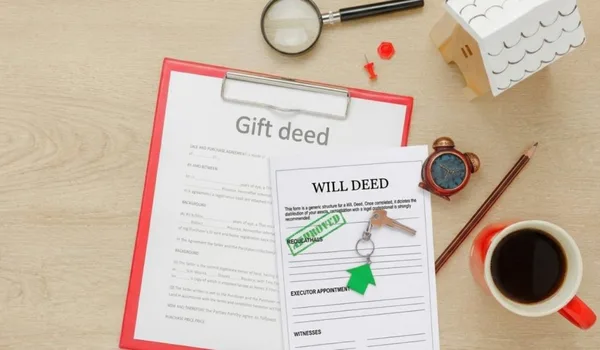
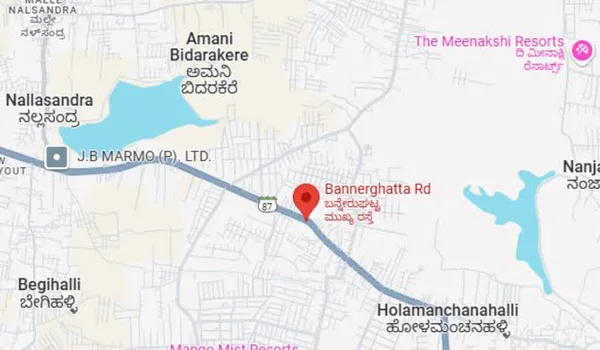
Property can pass from one person to another in more than one way, and the document you choose decides when ownership moves, what it costs, and whether it can be undone. A sale deed transfers for a price, a gift deed transfers for love and affection with no money, and a will transfers only after death. Mixing them up is expensive. If you are buying, or planning how to pass on a home near Bannerghatta Road or anywhere in Bengaluru in 2026, this guide explains how each route works, when ownership passes, the duty on each, and which one fits.
Sale Deed: Transfer for a Price
A sale deed is the document used when a property changes hands for consideration, that is, for money. It is what you sign when you buy a flat from a builder or a resale owner. Ownership passes when the deed is executed and registered, full stamp duty and registration charges are paid on the higher of the price or the guidance value, and the deed becomes the primary proof of title. Our sale agreement vs sale deed guide covers this route in detail, and it is the normal path for any arms-length purchase.
Gift Deed: Transfer Without Payment
A gift deed transfers a property voluntarily, without any payment, usually to a family member. It is common between parents and children, or between spouses and siblings. The key features:
- There is no consideration; the transfer is made out of love and affection, not for a price.
- It must be a registered document, and the gift must be accepted by the recipient during the giver's lifetime.
- Stamp duty and registration charges apply, but Karnataka commonly allows a concessional duty for gifts to specified close relatives, with a higher rate for others.
- Once registered and accepted, a gift is generally hard to revoke unless a specific condition allowing it was written into the deed.
A gift deed transfers ownership now, during your lifetime, which is its main difference from a will. That immediacy is a strength when you want certainty, and a caution because it is difficult to reverse.
Will: Transfer After Death
A will is a declaration of how a person's assets should be distributed after their death. Unlike the two deeds, it does not transfer anything while the person is alive. The features that matter:
- It takes effect only on the death of the person who made it, so ownership stays with them until then.
- It can be changed, replaced or revoked any time before death, which gives flexibility.
- It does not attract stamp duty, and registration is advisable but not mandatory.
- After death the beneficiary typically needs to establish the will and complete mutation to get the records updated.
A will suits someone who wants to keep control during their lifetime and decide the distribution later, accepting that the transfer, and any dispute, happens after they are gone.
Gift Deed vs Sale Deed vs Will at a Glance
| Point | Sale deed | Gift deed | Will |
|---|---|---|---|
| Consideration | For a price | No payment | No payment |
| When ownership passes | On registration | On registration | After death |
| Registration | Mandatory | Mandatory | Advisable, not mandatory |
| Stamp duty | Full duty on value | Duty, often concessional for family | None |
| Can it be changed later | No, once done | Hard to revoke | Yes, any time before death |
| Typically used for | Buying and selling | Passing to family in lifetime | Passing on after death |
Stamp duty rates, family-gift concessions and registration rules can change; confirm the current Karnataka position with your lawyer or the sub-registrar before you execute any deed.
Which Route Should You Use
The choice comes down to two questions: is money changing hands, and when should ownership pass?
- An arms-length purchase or sale: use a sale deed. This is the only correct route when a price is being paid.
- Passing property to close family now, with no payment: a gift deed transfers it in your lifetime, often at a concessional duty, but is hard to undo.
- Deciding who inherits, while keeping control for now: a will keeps the property yours until death and can be revised, with the transfer and any dispute handled afterwards.
People sometimes try to use a gift deed to disguise a sale and save duty, or rely on a will to sidestep a proper transfer. Both invite trouble. Use the document that matches the real transaction, and get it drafted and reviewed by a property lawyer, because these are hard and costly to fix later.
Buying a Pre-launch Home at Birla Bannerghatta

Birla Bannerghatta is a 50-acre gated township by Birla Estates at Begur. When you buy a home here, the transfer happens through a sale deed, since a price is being paid, and you register that deed and complete the khata transfer afterwards. A gift deed or a will comes into the picture only if you later pass the home to family, so it helps to know the difference from the start. Have a lawyer review any deed before you sign.
- Builder: Birla Estates (Aditya Birla Group)
- Location: Begur, Begur Hobli, Bannerghatta Road
- Configs: 1, 2, 3, 3.5 BHK + duplex/villa formats
- Starting price: ~₹75 L (indicative; base ~₹12,500 / sq ft)
- Status: Pre-launch · possession early 2031 · K-RERA expected Mar 2027
See the price list and the floor plans, and read the home buying checklist before you sign the sale deed.
Frequently Asked Questions
1. What is the difference between a gift deed and a sale deed?
A sale deed transfers property in exchange for a price; a gift deed transfers it voluntarily without any payment, usually to a family member. Both must be registered, and in both cases ownership passes once the deed is executed and registered.
2. Is a will better than a gift deed for passing property to children?
It depends on when you want ownership to pass. A gift deed transfers the property now and is hard to revoke; a will transfers it only after death and can be changed any time before then. Each has trade-offs, so take legal advice.
3. Does a gift deed need to be registered in Karnataka?
Yes. A gift of immovable property must be made by a registered gift deed and accepted by the recipient in the giver's lifetime. Stamp duty and registration apply, often at a concessional rate for close family. Confirm the current rate with the sub-registrar.
4. Is stamp duty payable on a gift deed?
Yes. A gift deed attracts stamp duty and registration charges. Karnataka commonly allows a lower, concessional duty for gifts to specified close relatives and a higher rate for others. The exact figure changes, so verify it before you register.
5. Does a will need to be registered?
Registration of a will is not mandatory but is advisable, as it helps establish authenticity. A will needs no stamp duty and takes effect only on the death of the person who made it, until when it can be revised or replaced.
6. Can a gift deed be cancelled after registration?
Generally no. Once registered and the gift accepted, it is difficult to revoke unless a condition allowing revocation was written in, or it is challenged in court on valid grounds. This is why a gift deed should be signed with care and legal advice.
Conclusion
Three documents, three very different jobs. A sale deed is for a purchase, where a price is paid and ownership passes on registration. A gift deed passes property to family now, without payment, often at a concessional duty, but it is hard to undo. A will decides who inherits after death and stays changeable until then. Pick the route that matches the real transaction, budget for the duty and registration where they apply, and have a property lawyer draft and review any deed before you sign, because these are difficult and costly to correct later.
Buying on Bannerghatta Road? Review the price list and the floor plans for Birla Bannerghatta at Begur, and use a sale deed, reviewed by your lawyer, for the purchase itself.
Birla Bannerghatta Blog