Encumbrance Certificate: How to Check and Download 2026
Published 10 Jul 2026 · Last updated 10 Jul 2026
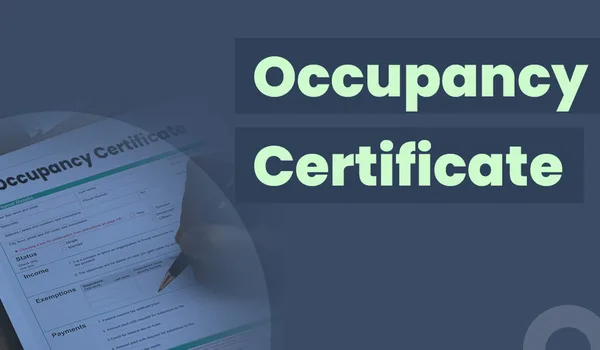
An encumbrance certificate, or EC, is an official record from the sub-registrar's office that lists every registered transaction on a property over a chosen period, so you can see whether it carries a mortgage, lien or other charge before you buy. It is one of the first title checks any careful buyer, and every lending bank, insists on. If you are buying an apartment on Bannerghatta Road or anywhere in Bengaluru in 2026, this guide explains what an EC shows, the difference between Form 15 and Form 16, how to download it on Kaveri Online Services, and the checks it cannot replace.
Think of it as the property's registered history on one document: who sold it to whom, and whether anyone has a loan secured against it. A clean EC is reassuring; an unexpected entry is a signal to dig deeper before you pay an advance.
Encumbrance Certificate 2026: Quick Reference
| Item | What applies (indicative) |
|---|---|
| What it is | Record of registered transactions on a property for a period |
| Issued by | Jurisdictional sub-registrar (Department of Stamps and Registration) |
| Form 15 | Lists the encumbrances/transactions found in the period |
| Form 16 | Nil encumbrance certificate (no transaction found) |
| Karnataka portal | Kaveri Online Services (for records after 2004) |
| Typical period sought | Last 13 to 30 years |
| Covers | Registered deeds only, not unregistered or oral arrangements |
| Used for | Home loan, title verification, khata, registration |
Process and forms indicative for 2026; confirm the current steps and fees on Kaveri Online Services or at the sub-registrar office.
What an EC Actually Shows
An EC pulls together the registered deeds tied to a property, identified by its survey number and location, for the period you request. Reading it, you can trace:
- The ownership chain: each sale or transfer registered in the period, with the parties and dates.
- Charges on the property: whether a mortgage was created in favour of a bank, and importantly, whether it was later released.
- Other registered acts: gifts, partitions, releases and similar deeds that touch the property.
The most useful thing an EC does is confirm that any earlier home loan on the property has been closed and the mortgage released. If a charge is still open, the seller must clear it before, or at, the sale.
Form 15 vs Form 16
An EC comes in one of two forms, and knowing which you are holding matters:
- Form 15: issued when the office finds registered transactions in the period. It lists each of them, and is what you normally receive for a property with a sale and loan history.
- Form 16: a nil encumbrance certificate, issued when no registered transaction is found for the requested period, for example for a newly formed or long-static parcel.
Neither is automatically better. A Form 15 that shows a clean chain with all mortgages released is exactly what you want; a Form 16 simply means nothing was registered in that window, which you then read together with the parent documents.
How to Download an EC in Karnataka
For transactions registered after 2004, Karnataka lets you apply for and download an EC online, without a trip to the office. The broad steps are:
- Register on the portal: create a login on Kaveri Online Services and choose the encumbrance certificate service.
- Enter the property details: district, sub-registrar office, survey or property number and the period you want covered.
- Pay the fee online: the fee depends on the number of years searched.
- Download the certificate: once processed, the digitally signed EC is available to download.
For older periods, or where the online record is incomplete, you apply at the jurisdictional sub-registrar office with the property details and fee. Because the exact screens and charges change, confirm the current process on the portal itself before you start. The EC then sits alongside the other papers in our home buying checklist, and complements the khata in building a clean paper trail.
What an EC Does Not Cover
An EC is necessary but not sufficient. Because it records only registered deeds, some risks sit outside it:
- Unregistered arrangements: an unregistered agreement to sell or an oral mortgage will not appear.
- Pending litigation: a court dispute over the property is not an EC entry.
- Tax and utility dues: unpaid property tax or bills are tracked elsewhere, not on the EC.
So treat the EC as one strong check among several. Read it together with the title and mother deed, the khata and tax receipts, the approved plan, and, for anything significant, a title opinion from a property lawyer.
The EC on a Pre-launch Home at Birla Bannerghatta

Birla Bannerghatta is a 50-acre gated township by Birla Estates at Begur. For a fresh apartment from a developer, the EC you are most interested in is on the underlying land, which shows how the developer holds it and whether any charge sits on the parcel. Ask for the land EC as part of due diligence, and once your own unit is registered, a later EC will start to reflect that sale in the property's history. As always, verify every document in writing before you commit.
- Builder: Birla Estates (Aditya Birla Group)
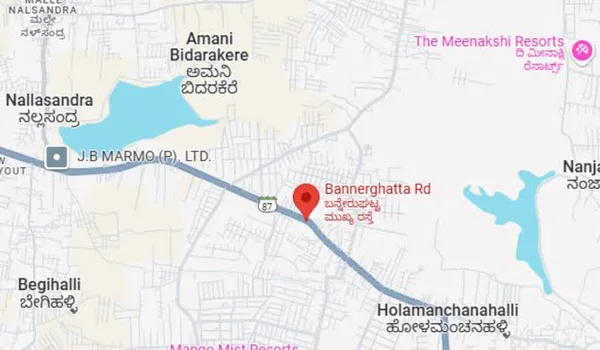
- Location: Begur, Begur Hobli, Bannerghatta Road
- Configs: 1, 2, 3, 3.5 BHK + duplex/villa formats
- Starting price: ~₹75 L (indicative; base ~₹12,500 / sq ft)
- Status: Pre-launch · possession early 2031 · K-RERA expected Mar 2027
Explore the price list and the floor plans, and keep the land and unit documents on file as your paper trail builds.
Frequently Asked Questions
1. What is an encumbrance certificate?
A certificate from the sub-registrar that lists the registered transactions on a property over a chosen period, such as sales and mortgages. It shows whether the property is free of a registered charge.
2. Why do I need an EC to buy a flat?
It confirms the ownership chain and that there is no registered mortgage or lien pending. Banks ask for it before sanctioning a home loan, and it is a core title check.
3. What is the difference between Form 15 and Form 16?
Form 15 is issued when there are registered transactions in the period and lists them. Form 16 is a nil encumbrance certificate, issued when no transaction is found for that period.
4. How do I get an EC in Karnataka?
For records after 2004 you can apply and download it online on Kaveri Online Services. For older periods you apply at the jurisdictional sub-registrar office. Confirm the current process on the portal.
5. What period should the EC cover?
Buyers usually take an EC for the last 13 to 30 years so the full recent ownership chain is visible. A longer period gives more comfort on the title history.
6. Does a clear EC mean the title is fully safe?
Not entirely. An EC records only registered deeds. Unregistered agreements, oral mortgages, pending litigation or tax dues may not appear, so use it with a lawyer-led title check.
Conclusion
The encumbrance certificate is a small document that carries a lot of weight: it tells you the registered history of a property and, crucially, whether any loan or charge is still open against it. Pull an EC for a long enough period, read it for the ownership chain and for released mortgages, and treat any surprise entry as a reason to pause. Just remember its limits, it sees only registered deeds, so pair it with the title papers, the khata and, where the stakes are high, a lawyer's title opinion before you part with money.
Buying on Bannerghatta Road? Review the price list and the floor plans for Birla Bannerghatta at Begur, and gather the land and unit documents as part of your checks.
Birla Bannerghatta Blog