Home Loan Balance Transfer and Refinance Guide 2026
Published 16 Jul 2026 · Last updated 16 Jul 2026
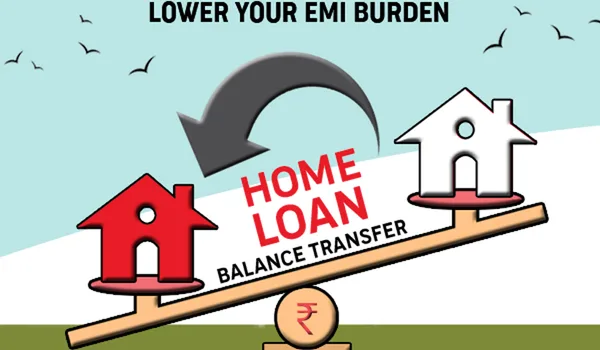
A home loan runs for years, and the rate you started with is not the rate you are stuck with. If another lender is offering meaningfully cheaper terms, moving your outstanding balance across, called a balance transfer or refinance, can cut your interest cost. It is not automatic savings though, because the switch has its own costs. If you are financing an apartment near Bannerghatta Road or anywhere in Bengaluru in 2026, this guide explains how a balance transfer works, when it actually pays off, the costs and the top-up option, and what to check before you switch.
What a Balance Transfer Is
A balance transfer moves your remaining home loan from your current lender to a new one, usually to secure a lower interest rate. The new lender pays off your existing loan, takes over the security, and you continue repaying them on fresh terms. Done at the right time, it lowers either your EMI or your tenure. It is the same idea as refinancing: replacing an existing loan with a cheaper one. This guide is a companion to our home loan guide, which covers taking the loan in the first place.
When It Actually Saves Money
The saving depends on three things working together: the rate gap, the outstanding balance, and the years left. A balance transfer helps most when:
- The rate gap is meaningful: a small difference rarely justifies the switching cost, but a clear gap does.
- The balance is large: the bigger the outstanding principal, the more each fraction of a percent is worth.
- Many years remain: early in the loan, interest is a large share of every EMI, so a lower rate saves the most. Late in the tenure, when you are mostly repaying principal, the saving shrinks.
The rule of thumb is simple: a balance transfer works best early in the loan, on a large balance, with a real rate gap. If you are in the last few years of the loan, the cost of switching can outweigh the benefit.
The Costs to Weigh
The headline rate is only half the picture. Before switching, add up the costs of moving:
| Item | What to expect |
|---|---|
| Processing fee | Charged by the new lender on the transferred amount |
| Legal and valuation | Fresh title check and property valuation by the new lender |
| Stamp and documentation | Charges for the new loan agreement and mortgage |
| Foreclosure charge on old loan | Usually nil on individual floating-rate home loans; confirm |
| Top-up, if taken | Extra borrowing added to the transfer, at close to the home loan rate |
Fees and rules vary by lender and change over time; get the full cost sheet from the new lender and confirm the current position before you decide.
Compare the total of these costs against the interest you would save over the remaining tenure. If the saving clearly beats the cost, the switch makes sense; if it is close, it may not be worth the effort.
The Top-Up Option
Many lenders offer a top-up loan alongside a balance transfer, an additional amount over and above the transferred balance, often at close to the home loan rate. It can be handy for renovation, furnishing or another genuine need, and it is usually cheaper than an unsecured personal loan. The caution is that it increases your total borrowing and your EMI, so treat it as considered borrowing, not free money, and only take what you will actually use.
What to Check Before You Switch
- Ask your current lender first: they may reduce your rate or offer a conversion for a small fee, which avoids the whole transfer.
- Read the new rate structure: understand whether it is fixed or floating and how it is reset, so a low starting rate does not climb quickly.
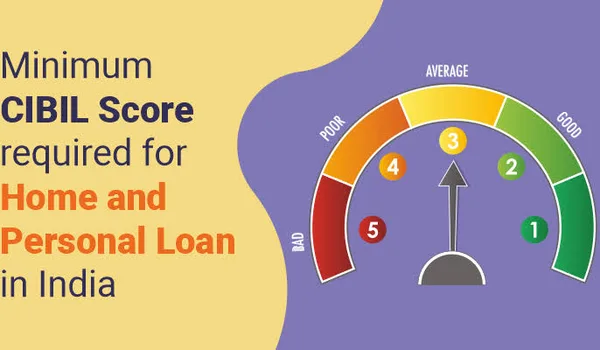
- Check your credit profile: a good credit score gets you the best transfer rate, the same as a fresh loan.
- Confirm there is no foreclosure penalty on your existing floating-rate loan before you move.
A balance transfer is worth doing when the numbers are clearly in your favour, but always start by asking your existing lender to match the offer, since that can get you most of the benefit with none of the paperwork.
Financing a Pre-launch Home at Birla Bannerghatta

Birla Bannerghatta is a 50-acre gated township by Birla Estates at Begur. If you buy here on a home loan, you can always review your rate later and consider a balance transfer once a few years have passed and rates move. For now, focus on getting a competitive rate at the start; a balance transfer is a tool you can use down the line if a clearly better offer appears. Compare offers from more than one lender before you commit.
- Builder: Birla Estates (Aditya Birla Group)
- Location: Begur, Begur Hobli, Bannerghatta Road
- Configs: 1, 2, 3, 3.5 BHK + duplex/villa formats
- Starting price: ~₹75 L (indicative; base ~₹12,500 / sq ft)
- Status: Pre-launch · possession early 2031 · K-RERA expected Mar 2027
See the price list and the floor plans, and read the joint home loan guide if you plan to borrow with a co-applicant.
Frequently Asked Questions
1. What is a home loan balance transfer?
A balance transfer moves your outstanding home loan from your current lender to a new one, usually for a lower interest rate. The new lender pays off the old loan and you continue with fresh terms, ideally at a lower EMI or a shorter tenure.
2. When does a balance transfer actually save money?
It saves the most when there is a meaningful rate gap, a large outstanding balance, and many years left. Early in the tenure, when interest is a big part of each EMI, the saving is largest; late in the loan it may not be worth the cost.
3. What are the costs of a balance transfer?
Usually a processing fee, plus legal, valuation and documentation charges. Individual floating-rate home loans generally have no foreclosure penalty, but confirm this. Compare the total cost against the interest you would save.
4. Can I get extra money during a balance transfer?
Yes. Many lenders offer a top-up loan along with the transfer, over and above the transferred amount, often near the home loan rate. It can fund renovation or other needs but increases your total borrowing, so use it with care.
5. Should I switch lenders or ask my current one to reduce the rate?
Always ask your current lender first. They may cut your rate or offer a conversion for a small fee, avoiding the paperwork and cost of a transfer. If the gap remains large after that, a transfer may still be worthwhile.
6. Does a balance transfer affect my loan tenure?
You can usually keep the EMI similar and shorten the tenure, or keep the tenure and lower the EMI. Shortening the tenure saves more interest overall; a lower EMI eases monthly cash flow. Pick based on your priorities and confirm with the new lender.
Conclusion
A home loan balance transfer can be a genuine saving, but only when the numbers line up: a real rate gap, a large outstanding balance, and enough years left for the lower rate to work. Add up the processing, legal and documentation costs, confirm there is no foreclosure penalty on your existing floating-rate loan, and compare the total against the interest you would save. Use a top-up only for a real need, and before doing any of this, ask your current lender to match the better offer, because that can get you most of the benefit with none of the paperwork.
Buying on Bannerghatta Road? Review the price list and the floor plans for Birla Bannerghatta at Begur, get a competitive rate at the start, and keep a balance transfer in mind as a tool for later.
Birla Bannerghatta Blog