NRI Guide to Buying Property in Bangalore 2026
Published 13 Jul 2026 · Last updated 13 Jul 2026

An NRI can buy residential or commercial property in Bangalore freely, with no special permission from the Reserve Bank of India. The rules are set by FEMA (the Foreign Exchange Management Act), and they are simpler than most buyers expect: pay through your Indian bank accounts, keep the paperwork clean, and the process is much the same as it is for a resident. If you are looking at an apartment on Bannerghatta Road or elsewhere in the city from abroad in 2026, this guide covers what you can buy, how to pay, loans, power of attorney, tax and taking your money back out.
Who Counts as an NRI or OCI
Two categories can buy property in India under the general FEMA permission:
- NRI (Non-Resident Indian): an Indian citizen who lives outside India for work, business or other reasons.
- OCI (Overseas Citizen of India): a foreign passport holder of Indian origin who holds an OCI card. For property purchase, OCIs are treated on par with NRIs.
A foreign national of non-Indian origin who is a resident outside India generally cannot buy immovable property here except by inheritance or with specific RBI approval. This guide is written for NRIs and OCIs.
What You Can and Cannot Buy
| Property type | Allowed for NRI / OCI |
|---|---|
| Residential apartment or house | Yes, freely |
| Commercial property (office, shop) | Yes, freely |
| Agricultural land | No, cannot purchase |
| Plantation property | No, cannot purchase |
| Farmhouse | No, cannot purchase |
Agricultural land, plantations and farmhouses can only come to an NRI by inheritance or gift, not by purchase.
There is no cap on how many residential or commercial properties an NRI can buy, and no RBI approval is needed for a normal purchase. The restriction is only on the type of land, not the number of homes.
How an NRI Must Pay
This is the rule that trips people up, so it is worth being precise. All payment must move through banking channels in Indian rupees, from one of these sources:
- NRE account (Non-Resident External): rupee account funded from your foreign earnings; balances are fully repatriable.
- NRO account (Non-Resident Ordinary): rupee account for income earned in India, such as rent; repatriation is capped per year.
- FCNR account (Foreign Currency Non-Resident): a foreign-currency fixed deposit you can draw on.
- Normal inward remittance from abroad through regular banking channels.
You cannot pay in foreign currency cash, by traveller's cheque, or from a foreign account handed over directly to the seller. Keeping every payment traceable to an NRE, NRO or FCNR account also makes repatriation at resale far smoother later, so route the whole consideration, and the stamp duty and other charges, through these accounts.
Home Loans for NRIs
Indian banks and housing finance companies offer dedicated NRI home loans. The mechanics are close to a resident loan, with a few differences:
- Disbursed and repaid in rupees: the loan is sanctioned in Indian rupees, not foreign currency.
- Repayment source: EMIs are usually paid from your NRE or NRO account, or by inward remittance from abroad.
- Tenure and eligibility: tenure may be shorter than for residents, and eligibility depends on your overseas income, so lenders ask for salary slips, an employment contract and overseas bank statements.
- Power of attorney: lenders often want a POA holder in India to handle documentation.
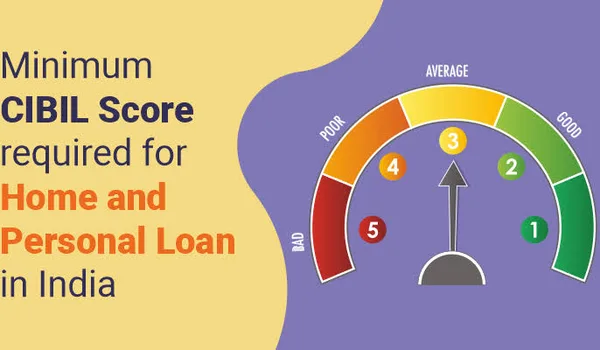
The loan-to-value, credit-score and FOIR basics are the same for everyone; our home loan guide covers those, and this page adds the NRI-specific layer on top.
Buying From Abroad: Power of Attorney
Most NRIs cannot fly in for every stage of a purchase, so a power of attorney (POA) is the standard tool. You appoint a trusted person in India, often a parent or sibling, to sign the agreement, complete registration and deal with the bank on your behalf.
- Keep the POA specific to the transaction, not a broad general power, and list exactly what the holder may do.
- If you execute it abroad, it usually needs to be notarised or attested at the Indian consulate, then stamped and, where required, registered in India, commonly within three months of receipt.
- Choose the holder carefully, because they will handle money and signatures in your name.
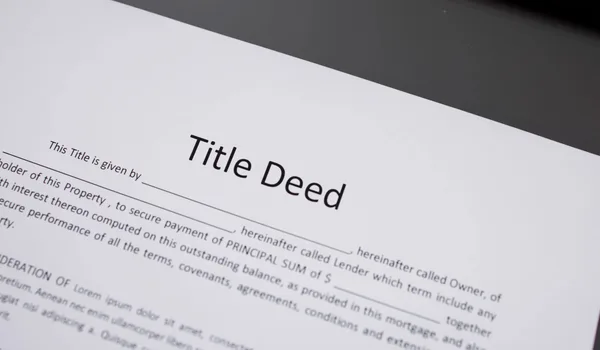
Do the same due diligence a resident would, whether you attend in person or through a POA. Verify the title, approvals and encumbrance history before any advance; our home buying checklist lists the documents to check.
Tax, TDS and Repatriation
The money side has three parts an NRI should plan for up front:
- TDS when you buy: if you buy from a resident seller for ₹50 lakh or more, 1% TDS applies, the same as for any buyer; see our TDS on property purchase guide. If you later sell as an NRI, the buyer deducts TDS from you at the higher rates that apply to non-residents under Section 195.
- Tax on rental income: rent from Indian property is taxable in India. The tenant typically deducts TDS, and you file an Indian tax return to report the income and claim deductions such as the standard deduction and home-loan interest.
- Repatriation of sale proceeds: you can repatriate the proceeds of up to two residential properties, after paying the applicable tax and TDS, subject to the annual limit on remittances from an NRO account. Route the sale money through your NRO account and take a chartered accountant's certificate for the remittance.
Tax rules for NRIs change with the finance act and depend on your residency status for the year, so treat the above as the framework and confirm your exact position with a chartered accountant before you buy or sell.
Documents an NRI Usually Needs
- Valid passport, and the OCI card for OCI buyers.
- PAN card (needed for registration, TDS and the tax return).
- Overseas address proof and recent photographs.
- Power of attorney, if someone will act for you in India.
- For a loan: overseas income proof, employment contract and NRE/NRO bank statements.
Buying a Pre-launch Home at Birla Bannerghatta as an NRI

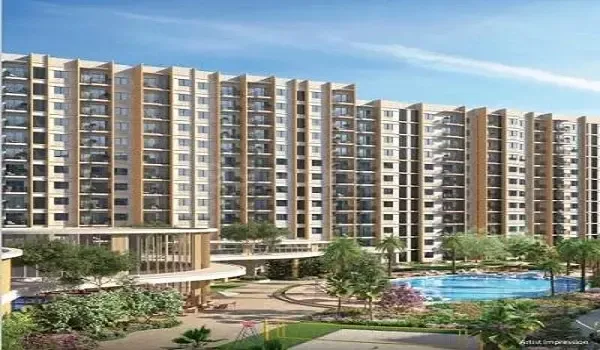
Birla Bannerghatta is a 50-acre gated township by Birla Estates at Begur. For an NRI buyer, a RERA-route project from an established developer is a sensible fit: the payment trail is clean, the paperwork is handled professionally, and construction-linked payments suit someone managing the purchase from abroad. Plan to route the booking amount and instalments through your NRE or NRO account, appoint a POA holder for signatures, and keep every remittance receipt for repatriation later.
- Builder: Birla Estates (Aditya Birla Group)
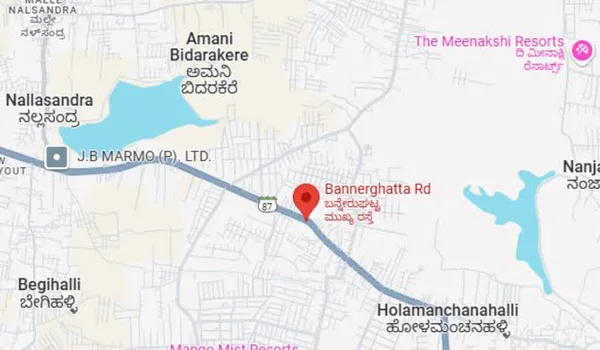
- Location: Begur, Begur Hobli, Bannerghatta Road
- Configs: 1, 2, 3, 3.5 BHK + duplex/villa formats
- Starting price: ~₹75 L (indicative; base ~₹12,500 / sq ft)
- Status: Pre-launch · possession early 2031 · K-RERA expected Mar 2027
See the price list and the floor plans to size your budget, then set up the banking and POA before you book.
Frequently Asked Questions
1. Can an NRI buy property in Bangalore?
Yes. An NRI or OCI can freely buy residential or commercial property in India, including in Bangalore, with no RBI approval. They cannot buy agricultural land, plantations or a farmhouse.
2. How should an NRI pay for property in India?
Only through banking channels in Indian rupees, from an NRE, NRO or FCNR account, or by normal inward remittance. Foreign currency cash or traveller's cheques are not allowed.
3. Can an NRI get a home loan in India?
Yes. Banks and housing finance companies offer NRI home loans, disbursed and repaid in rupees. Repayment is usually made from NRE or NRO funds or by inward remittance.
4. Does an NRI need to be in India to buy property?
No. You can appoint a trusted person through a registered power of attorney to sign the agreement and complete registration for you while you are abroad.
5. Is rental income from Indian property taxable for an NRI?
Yes. Rent from property in India is taxable here. The tenant usually deducts TDS, and the NRI files an Indian return to report the income and claim deductions. Confirm with a tax advisor.
6. Can an NRI repatriate the money from selling property?
Yes, within FEMA limits, generally the proceeds of up to two residential properties, after tax and TDS, subject to the annual limit on NRO remittances. Confirm with your bank.
Conclusion
Buying property in Bangalore as an NRI is well within reach: residential and commercial homes are open to you, no RBI approval is needed, and the main discipline is to pay through your NRE, NRO or FCNR accounts and keep every receipt. Set up the banking and a specific power of attorney before you book, verify the title and approvals as carefully as a resident would, and take a chartered accountant's view on tax and repatriation so resale is clean years later. Get those foundations right and the rest of the purchase runs much like any other.
Planning an NRI purchase on Bannerghatta Road? Review the price list and the floor plans for Birla Bannerghatta at Begur, then line up your accounts and POA.
Birla Bannerghatta Blog