Title Deed and Mother Deed Explained 2026
Published 17 Jul 2026 · Last updated 17 Jul 2026
Buyers ask for "the title deed" and assume that one paper settles ownership. It settles who owns the property today, but it does not, on its own, prove the seller had a clean right to sell in the first place. That is the job of the mother deed, the parent document that traces the property's history back to where it began. Read together they form the chain of title. If you are buying an apartment on Bannerghatta Road or anywhere in Bengaluru in 2026, this guide explains what each document proves, how they connect, and how to verify both before you part with money.
What Is a Title Deed?
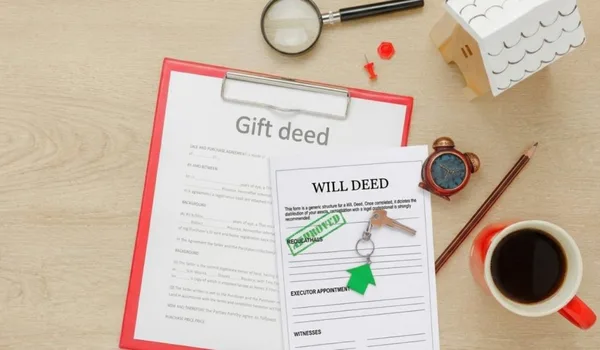
A title deed is the document that records the current ownership of a property. In most residential purchases that document is the registered sale deed in the present owner's name; it can also be a gift deed, partition deed, or a deed from a court or inheritance settlement. Whatever its form, the title deed answers one question: who owns this property now. Key features:
- It names the present owner and describes the property, its area, and its boundaries.
- It is registered at the sub-registrar office and becomes a public record.
- It is the primary proof you rely on to establish present ownership.
- When you buy, a fresh title deed is executed and registered in your name.
The title deed is essential, but it is a snapshot. It shows the latest transfer, not the full story of how the property reached the current owner. For that you need to go further back.
What Is a Mother Deed?
A mother deed, also called the parent document or root of title, is the earliest available document that establishes how the property first came into existence as a distinct holding, and it is the starting point for tracing ownership. From it, each later transfer builds on the one before. A mother deed matters because it lets a lawyer follow ownership forward, link by link, and confirm nothing is missing. In practice it helps you:
- Trace ownership from the origin to the person selling to you today.
- Confirm each transfer was valid and properly registered.
- Spot a break, a gap, or an owner who had no clear right to pass the property on.
- Satisfy the bank, which usually asks for the parent documents before sanctioning a loan.
Where an original mother deed is not available, a certified copy can often be obtained from the sub-registrar office that holds the older records. The property's registered history in an encumbrance certificate is used alongside it to rebuild the sequence.
Title Deed vs Mother Deed at a Glance
| Point | Title deed | Mother deed |
|---|---|---|
| What it is | Document recording the current transfer | Earliest parent document, the root of title |
| What it proves | Who owns the property now | How ownership began and passed on |
| Time it covers | The latest transaction | The full history back to the origin |
| How many | Usually the one current deed | One root plus the deeds that follow it |
| Main use | Proof of present ownership | Proof the chain of title is unbroken |
| If it is missing | Registration cannot be completed | Chain is hard to prove; a serious red flag |
Document names and record-keeping practice vary by property and by period; have a property lawyer confirm what applies to your specific case.
Why the Chain of Title Matters
The chain of title is the unbroken sequence that runs from the mother deed, through every sale, gift, partition or inheritance since, down to the title deed the seller holds today. Each link should connect cleanly to the next: the person who received the property in one deed must be the same person who transferred it in the following one. A clean chain is what tells you the seller genuinely has the right to sell. Where it breaks down:
- A missing deed in the middle leaves a gap that no current paper can fill.
- A transfer by someone who never held clear title passes on a defective right.
- Names, extents or boundaries that do not match from one deed to the next signal a problem.
- An unreleased mortgage or a disputed inheritance in the past can surface as a claim later.
This is why the mother deed is not optional reading. A perfect-looking current title deed sitting on top of a broken chain can still land you in a dispute after you have paid.
How to Verify the Title Deed and Mother Deed
- Read them together: follow the property from the mother deed forward and check every transfer is registered and connects to the next.
- Cross-check the encumbrance certificate: the registered history should match the chain of deeds, with any past loan shown as released.
- Match the details: owner names, survey numbers, extent and boundaries should agree across the documents and with the current records.
- Confirm registration: each deed should be duly stamped and registered; the Kaveri registration process is where current deeds are recorded.
- Get a title opinion: a property lawyer should trace the chain and give a written opinion before you pay an advance.
Verifying deeds is one part of wider due diligence; our home buying checklist lists the other documents to confirm, and the sale agreement vs sale deed guide covers the two documents that carry the purchase itself.
Title Documents for a Pre-launch Home at Birla Bannerghatta

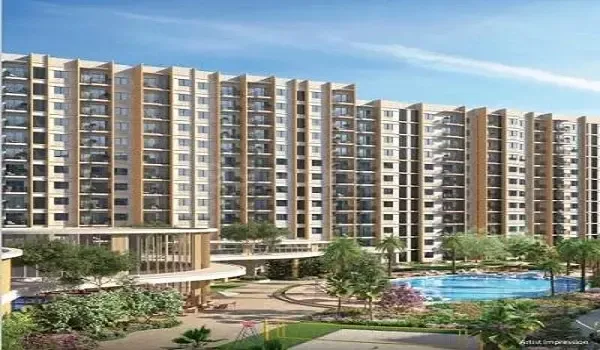
Birla Bannerghatta is a 50-acre gated township by Birla Estates at Begur. For an apartment, the parent documents relate to the project land and are common to all buyers, so you should expect the developer to make the land title and parent documents available for legal review, and to give you a registered title deed in your name at the deed stage. On a pre-launch purchase, ask for the land title documents up front, confirm the RERA position, and have your lawyer verify the chain before you commit funds.
- Builder: Birla Estates (Aditya Birla Group)
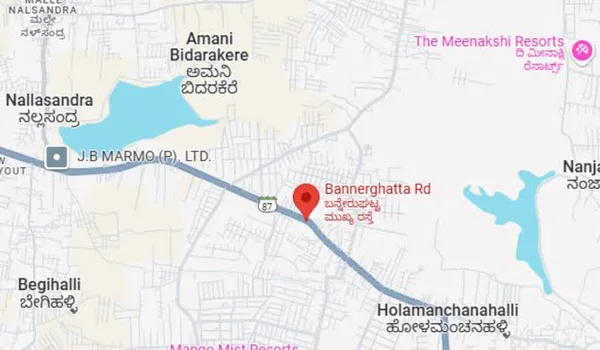
- Location: Begur, Begur Hobli, Bannerghatta Road
- Configs: 1, 2, 3, 3.5 BHK + duplex/villa formats
- Starting price: ~₹75 L (indicative; base ~₹12,500 / sq ft)
- Status: Pre-launch · possession early 2031 · K-RERA expected Mar 2027
See the price list and the floor plans before you book, and confirm the land title documents alongside them.
Frequently Asked Questions
1. What is the difference between a title deed and a mother deed?
A title deed records the current ownership, showing who owns the property now. A mother deed, or parent document, is the earliest document that traces ownership from its origin. Together with the deeds in between they form the chain of title that ends at the current title deed.
2. Is a mother deed mandatory to buy a property?
It is not a document you register, but it is essential for due diligence. A lawyer uses it and the later deeds to confirm ownership passed cleanly with no break, and banks usually ask for it before approving a home loan.
3. What if the mother deed is missing?
It is a warning sign but not always fatal. A certified copy can often be obtained from the sub-registrar office, and the chain can be rebuilt from the encumbrance certificate and older records. If the chain cannot be established, treat it as a serious risk and take legal advice.
4. What is the chain of title?
It is the unbroken sequence of documents showing how ownership passed from the first recorded owner to the present seller, typically the mother deed, the subsequent deeds, and the current title deed. Each link should connect to the next with no gap.
5. How do I verify a title deed and mother deed?
Read them alongside an encumbrance certificate, check names, area and boundaries match across each deed, confirm every deed is registered, and have a property lawyer trace the chain and give a title opinion before you pay any advance.
6. Do I get the mother deed when I buy a resale flat?
You get the current title deed in your name after registration, and the seller should hand over the parent documents or certified copies. In an apartment the land's parent documents are common to the project, so a certified copy is usually provided rather than the original.
Conclusion
The simplest way to hold the two apart: the title deed says who owns the property now, and the mother deed shows how it got there. One without the other is only half the picture. A clean title deed on a broken chain is still a risk, and a strong chain with no clear current deed does not make you the owner. Trace the property from the mother deed forward, match every detail across the deeds and the encumbrance certificate, and get a written title opinion from a property lawyer before you pay an advance.
Buying on Bannerghatta Road? Review the price list and the floor plans for Birla Bannerghatta at Begur, and ask for the land title documents so your lawyer can verify the chain before you book.
Birla Bannerghatta Blog