Home Loan Prepayment vs Investing 2026
Published 18 Jul 2026 · Last updated 18 Jul 2026

A bonus lands, a deposit matures, or you simply find you have a surplus each month, and the question follows: put it into the home loan or invest it? Both are sensible; they just win in different situations. Prepaying buys certainty, investing buys the chance of more. Getting the choice right can save or make a real sum over a long loan. If you own or are about to buy an apartment on Bannerghatta Road or anywhere in Bengaluru in 2026, this guide sets out what each option does, how to compare them fairly, the tax angle, and when to lean which way.
What Prepayment Does
A prepayment is any amount you pay toward the loan over and above your EMI. It goes straight against the principal, so it cuts the interest you would have paid on that principal for the rest of the tenure. The saving is guaranteed and equals your loan interest rate; there is no market risk to it. You usually choose whether to keep the EMI the same and shorten the tenure, which saves the most, or lower the EMI and keep the tenure, which eases monthly cash flow but saves less.
Because interest is front-loaded, a prepayment early in the tenure removes far more interest than the same amount paid near the end. Our home loan guide explains how the EMI splits between interest and principal over time.
What Investing Does
Investing puts the surplus to work in the market instead. Done well over a long horizon it can return more than your loan rate, and the money stays reachable, which a prepayment does not. The trade-off is that the return is not guaranteed and can swing, so the comparison is never a straight one. The honest test is simple to state and harder to answer: can you reasonably expect a post-tax return that reliably beats your effective loan rate over the same period?
The Comparison That Actually Matters
Strip it back and you are comparing two returns:
- Prepay: a certain, risk-free saving equal to your loan rate, less any tax benefit you are claiming on the interest.
- Invest: an expected, uncertain return that has to clear that effective loan rate to be worth the risk.
If your loan rate is high, the bar the investment must clear is high, and prepaying looks better. If your loan rate is low, the bar is lower and a disciplined investor may clear it. The key word is reliably: a return you might get is not the same as one you can count on, and the loan saving is money in hand.
The Tax Angle
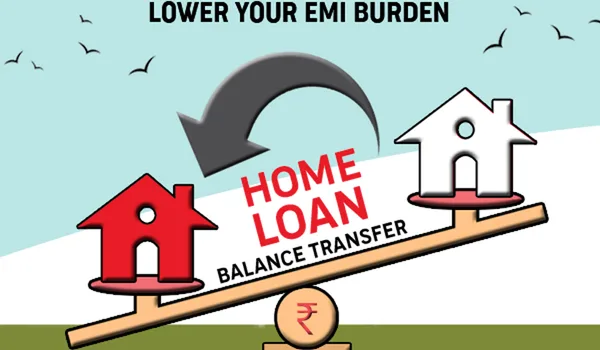
The home loan interest deduction lowers the true cost of the loan. If you are claiming it, your effective rate is a little below the headline rate, which nudges the maths toward investing at the margin. Whether you benefit depends on your tax situation and the regime you are under, so treat this as one input, not the whole case, and confirm your position with a tax adviser. Our balance transfer guide covers a third lever, cutting the rate itself, which can beat both.
Prepay or Invest: How to Decide
| Factor | Leans toward prepaying | Leans toward investing |
|---|---|---|
| Loan interest rate | High | Low |
| Stage of the loan | Early, interest front-loaded | Late, little interest left |
| Risk appetite | Prefers certainty | Comfortable with market risk |
| Horizon | Wants to be debt-free soon | Long, to ride out ups and downs |
| Liquidity need | Low, money can be locked | High, wants access to the funds |
| Peace of mind | Values a smaller debt | Values a growing corpus |
A guide, not a rule. Most people sit between the columns; weigh the factors together rather than one at a time.
The Middle Path
You do not have to pick one. Splitting the surplus between a periodic prepayment and a regular investment hedges the decision: you shrink the interest bill and build a corpus at the same time. This suits the common case where you cannot confidently say your investments will beat the loan rate but still want some growth and some liquidity. Decide the split by your comfort, and revisit it if your loan rate or income changes.
What Not to Do
- Do not raid the emergency fund: neither prepaying nor investing should come before a cushion of a few months' expenses.
- Do not prepay with borrowed money: taking a costlier loan to close a cheaper one defeats the purpose.
- Check the charges first: for most individual floating-rate loans part-payment and foreclosure charges are typically nil, but confirm it in your agreement before a large prepayment.
- Do not chase returns to justify a choice: compare against a return you can genuinely expect, not a best case.
How This Plays Out When You Buy at Birla Bannerghatta

Birla Bannerghatta is a 50-acre gated township by Birla Estates at Begur. On a pre-launch purchase the loan is drawn in tranches against construction, so the full EMI builds up gradually, which gives you room to decide how to use any surplus once the loan is fully disbursed. Keep an emergency fund, size the EMI so it stays comfortable, and treat prepay-or-invest as a decision for after possession rather than a reason to overstretch at booking.
- Builder: Birla Estates (Aditya Birla Group)
- Location: Begur, Begur Hobli, Bannerghatta Road
- Configs: 1, 2, 3, 3.5 BHK + duplex/villa formats
- Starting price: ~₹75 L (indicative; base ~₹12,500 / sq ft)
- Status: Pre-launch · possession early 2031 · K-RERA expected Mar 2027
See the price list and the floor plans to size the loan, and our down payment guide to plan the upfront cost around it.
Frequently Asked Questions
1. Should I prepay my home loan or invest the money?
It depends on two returns. Prepaying gives a guaranteed, risk-free saving equal to your loan rate, less any tax benefit you use. Investing makes sense only if you can reasonably expect a post-tax return that reliably beats that effective rate, and you are comfortable with the risk. There is no single right answer, so weigh your rate, risk appetite and horizon, and take independent advice.
2. Does prepaying reduce the EMI or the tenure?
You usually choose. Keeping the EMI the same and cutting the tenure saves the most interest because the loan closes sooner. Reducing the EMI and keeping the tenure eases cash flow but saves less. If the goal is to save interest, shortening the tenure is generally stronger. Confirm the options with your lender.
3. Are there charges to prepay a home loan?
For most individual borrowers on a floating-rate loan, part-payment and foreclosure charges are typically nil, but this is not universal and fixed-rate loans can carry a fee. Check your agreement and confirm with the lender before a large prepayment, so a charge does not eat into the saving.
4. When is prepaying the better choice?
Prepaying tends to win when your rate is high, you are early in the tenure, you prefer a guaranteed outcome, and you value being debt-free. It is also sensible if the money would otherwise sit idle in a low-return account. Keep your emergency fund intact first.
5. When is investing the better choice?
Investing can be stronger when your rate is low, your horizon is long, you invest with discipline, and you can reasonably expect a post-tax return above the effective loan rate. Liquidity is a bonus, since invested money can be reached in an emergency while a prepayment cannot. The catch is that market returns are not guaranteed.
6. Can I do both prepay and invest?
Yes. Splitting the surplus between a periodic prepayment and a regular investment cuts interest and builds a corpus at once. This middle path suits anyone who cannot confidently say their investments will beat the loan rate but still wants growth and liquidity. Set the split by your comfort and take advice if unsure.
Conclusion
Prepaying and investing are not rivals so much as tools for different situations. Prepaying hands you a guaranteed saving equal to your loan rate, best when the rate is high, you are early in the tenure, or you simply want less debt. Investing can do better when the rate is low, your horizon is long, and you can reliably expect a post-tax return above the effective loan rate, with liquidity as a bonus. When in doubt, split the surplus and do some of each. Whichever you choose, keep the emergency fund untouched, avoid borrowing to prepay, and take independent advice for anything beyond a simple call.
Planning a purchase on Bannerghatta Road? Size the loan with the price list and floor plans for Birla Bannerghatta at Begur, and read the joint home loan guide if a co-applicant is on the cards.
Birla Bannerghatta Blog