Betterment Charges and BBMP Improvement Fees 2026
Published 22 Jul 2026 · Last updated 22 Jul 2026
Most buyers budget carefully for stamp duty and registration, then get caught out by a one-time line item they had never heard of: the betterment charge. It is a civic fee tied to the infrastructure that serves your property, and in Bengaluru it often surfaces at the very moment you need a khata created or updated. Left unpaid, it can quietly stall your civic record. If you are buying a flat on Bannerghatta Road or anywhere in the city in 2026, this guide explains what betterment charges and BBMP improvement fees are, when they apply, and who ends up paying them.
What a Betterment Charge Is
A betterment charge is a one-time fee the civic body levies towards the cost of infrastructure that benefits a property, roads, drains, water supply and other public works in the area. The idea is that when civic amenities improve the value and usability of land, the owner contributes once towards them. It is not a recurring bill and it is separate from your annual property tax; it is a single payment linked to bringing the property, and its improvements, formally onto the civic record. Because the label varies, you may see it described as a betterment charge or an improvement fee, but the substance is the same.
When It Applies and How It Is Worked Out
The charge typically comes up when a property is first brought onto the civic record or when a khata is issued or updated, for instance after land is converted for residential use or a new development is regularised into the municipal system. The amount is usually calculated on the built-up or plot area at a rate the civic body fixes and revises from time to time, so a larger property carries a larger charge. Because it is tied to the khata process, the charge and the civic record tend to move together, and one can hold up the other.
How It Links to Khata and Property Tax
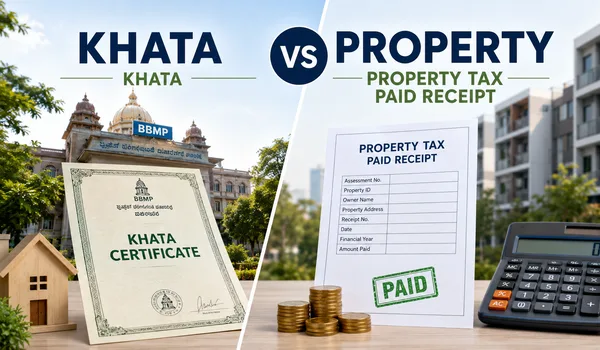
This is where buyers feel it most. A khata or its transfer can be held up until the betterment charge is cleared, so an unpaid charge is not just a cost, it is a blocker on getting the record into your name. It is easy to confuse this with property tax, but they are different animals: the betterment charge is a one-time infrastructure fee, while property tax is an annual levy on the property. Our BBMP property tax guide covers the yearly tax, and the khata guide explains the record the charge is tied to.
Betterment Charges at a Glance
| Point | What to know | Keep in mind |
|---|---|---|
| Nature | One-time fee for civic infrastructure | Not an annual charge like property tax |
| When it applies | On entering the civic record or a khata issue/update | Often surfaces during khata creation or transfer |
| How it is set | On built-up or plot area at a fixed rate | Rate is revised; confirm the current figure |
| Link to khata | Khata can be held up until it is paid | Clear it to keep the record moving |
| On resale | May already be paid, or still outstanding | Get proof of payment or agree who pays |
| Vs property tax | Separate, one-time, not yearly | Budget for it apart from tax and registration |
Betterment charge rates, the basis of calculation and when they apply are set by the civic body and revised over time; confirm the current figures on the BBMP portal.
Who Pays It, and When to Check
On a new development the builder often factors the charge into the process of setting up khatas for the units, but you should always confirm what has and has not been paid rather than assume. On a resale, the risk is sharper: if the charge was never cleared, it can attach to the property and reach you as the new owner, exactly like unpaid tax. Ask for proof of payment as part of your due diligence, and where it is still outstanding, agree in writing who clears it before you complete. Treat it as a distinct line in your buying budget, not an afterthought.
How to Check It: Step by Step
- Ask early: raise the betterment charge with the seller or builder before you pay an advance, not at the registration table.
- Get proof: ask for the receipt or record showing the charge has been paid for the property.
- Confirm the rate: if it is still due, check the current rate and basis on the civic portal so you know the figure.
- Tie it to the khata: check whether the khata or its transfer is waiting on this payment.
- Fix responsibility: if it is unpaid, put in writing who clears it and by when as part of the deal.
Because the charge and the record move together, keep your mutation in view too; our property mutation and khata transfer guide explains getting the khata into your name after you buy.
Betterment Charges at Birla Bannerghatta

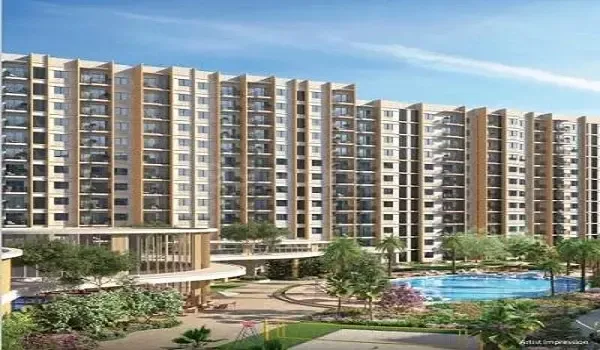
Birla Bannerghatta is a 50-acre gated township by Birla Estates at Begur. As a pre-launch project, any betterment or improvement charges connected with bringing the units onto the civic record will be dealt with as khatas are set up around handover. When you take possession, ask for a clear account of what one-time civic charges have been paid, keep the receipts with your title papers, and treat the betterment charge as a separate item from your annual property tax so nothing is left hanging over the khata.
- Builder: Birla Estates (Aditya Birla Group)
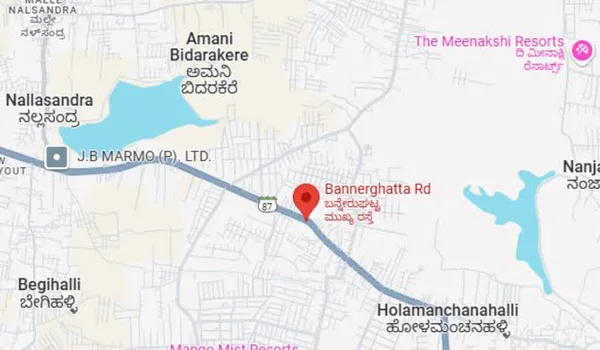
- Location: Begur, Begur Hobli, Bannerghatta Road
- Configs: 1, 2, 3, 3.5 BHK + duplex/villa formats
- Starting price: ~₹75 L (indicative; base ~₹12,500 / sq ft)
- Status: Pre-launch · possession early 2031 · K-RERA expected Mar 2027
See the price list and the floor plans to fix the home you are buying, then keep one-time civic charges on your checklist alongside tax and registration.
Frequently Asked Questions
1. What are betterment charges?
They are a one-time fee the civic body levies towards infrastructure like roads, drains and water that serve a property, usually paid when it enters the civic record.
2. When do I pay a betterment charge?
Typically when a property is first brought onto the civic record or a khata is issued or updated; it is a one-time payment, not an annual one.
3. How is the betterment charge calculated?
It is worked out on the built-up or plot area at a rate the civic body fixes; confirm the current rate on the BBMP portal as it changes.
4. Is it the same as property tax?
No. Property tax is an annual levy; a betterment charge is a one-time fee for infrastructure and is separate from your yearly tax.
5. Can it hold up my khata?
Yes. A khata or its transfer can be held up until the betterment charge is cleared, so settle it to keep the civic record moving.
6. Who pays it when I buy resale?
Check whether it was already paid; if not, agree in writing who clears it, as an unpaid charge can attach to the property and reach you.
Conclusion
A betterment charge is small in the story of a purchase but awkward if it is missed, because it is a one-time civic fee that can sit quietly on a property and hold up the khata until it is paid. Keep it separate in your mind from annual property tax, ask early whether it has been cleared, and get proof rather than a verbal assurance. On a resale, pin down in writing who pays any outstanding amount before you complete. Handle it upfront and it is a minor, one-off cost; ignore it and it can stall the very record that puts the home in your name.
Buying on Bannerghatta Road? Review the price list and the floor plans for Birla Bannerghatta at Begur, and keep one-time civic charges on the checklist from the start.
Birla Bannerghatta Blog